Get Full Government Meeting Transcripts, Videos, & Alerts Forever!
Committee restores legislative oversight of state liabilities, limits meeting frequency
Summary
The House Budget and Fiscal Affairs Oversight Committee voted unanimously to endorse House Bill 1178, which restores prior code language giving the committee authority over state liabilities, changes a mandatory meeting requirement to 'may meet up to nine times per year,' and requires Speaker approval for audit funding.
House panel votes to restore oversight of state-funded entities and limit meeting burden.
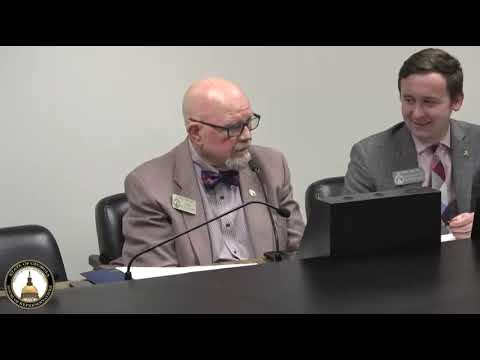
The House Committee on Budget and Fiscal Affairs Oversight on Wednesday voted to give the panel renewed authority to review state liabilities and to tighten how and when the committee may carry out audits. Representative Horner introduced House Bill 1178 (LC590374S), saying the measure ``puts, as previously under code section, it puts it right back into code section'' and restores…
Already have an account? Log in
Subscribe to keep reading
Unlock the rest of this article — and every article on Citizen Portal.
- Unlimited articles
- AI-powered breakdowns of topics, speakers, decisions, and budgets
- Instant alerts when your location has a new meeting
- Follow topics and more locations
- 1,000 AI Insights / month, plus AI Chat