Get Full Government Meeting Transcripts, Videos, & Alerts Forever!
Get email alerts on the Insurance Consumer Advocate topic
No spam. Unsubscribe anytime.
Bill to create insurance consumer advocate and tighten rate reviews draws support
Summary
Representative Tanya Miller presented a substitute to HB733 to establish an Insurance Consumer Advocate with authority to review cancellations and rate filings, demand public filings for large increases (a 10% trigger) and participate in hearings; the Consumer Federation of America urged support and members pressed questions on independence and staffing.
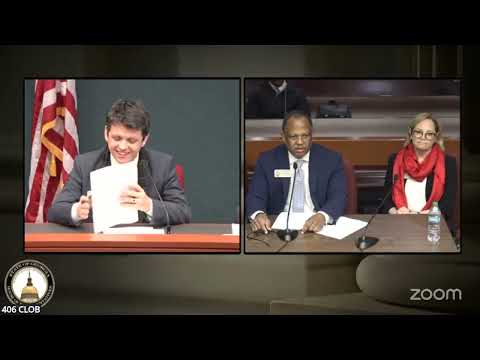
Representative Tanya Miller introduced the substitute to House Bill 733 (LC# 521008S), the Insurance Consumer Protection Act, telling the Budget and Fiscal Affairs Oversight committee the measure creates an Insurance Consumer Advocate whose sole job is to represent consumers in regulatory rate reviews, complaints and hearings.
"This person's only job is to represent insurance consumers," Miller said, describing a role that could examine cancellations and nonrenewals, participate in hearings, subpoena evidence and publish an annual report. She said the advocate would be appointed by the governor, housed within the insurance commissioner's office for data access but structured to be independent and able to appeal commissioner rulings.
Michael DeLong, research and advocacy associate at the Consumer Federation of America, testified by Zoom in support. DeLong said CFA analysis found Georgia homeowners insurance premiums rose about 20% from roughly $2,500 to more than $3,000 between 2021 and 2024 and urged a lower threshold than the bill’s proposed 10% trigger for extra scrutiny.
Miller said the bill requires insurers to explain rate increases with supporting data — claims costs, administrative expenses, profit margins and risk factors — and makes filings public so consumers and policymakers can examine them. Sections of the substitute would require additional review for large increases and restrict an auto‑insurer carve‑out that previously allowed automatic increases without review.
Committee members welcomed the idea but raised substantive questions about the advocate's placement and capacity. Several members suggested locating the position outside the insurance commissioner's office (inspector general or attorney general) to avoid perceived influence; Miller said the proposal places the advocate within the commissioner’s office for practical data access but retains appointment and report‑out structures to preserve independence. Members also asked whether one advocate could meet statewide volume demands; Miller said the bill starts conservatively and includes reporting requirements so staffing can be adjusted later.
No vote was taken. The committee requested additional information on comparative state models, staffing needs and budget/fiscal impacts before further action.