
Sponsors urge narrow expansion of county jail commissary profits for treatment, programming and safety
Get AI-powered insights, summaries, and transcripts
Subscribe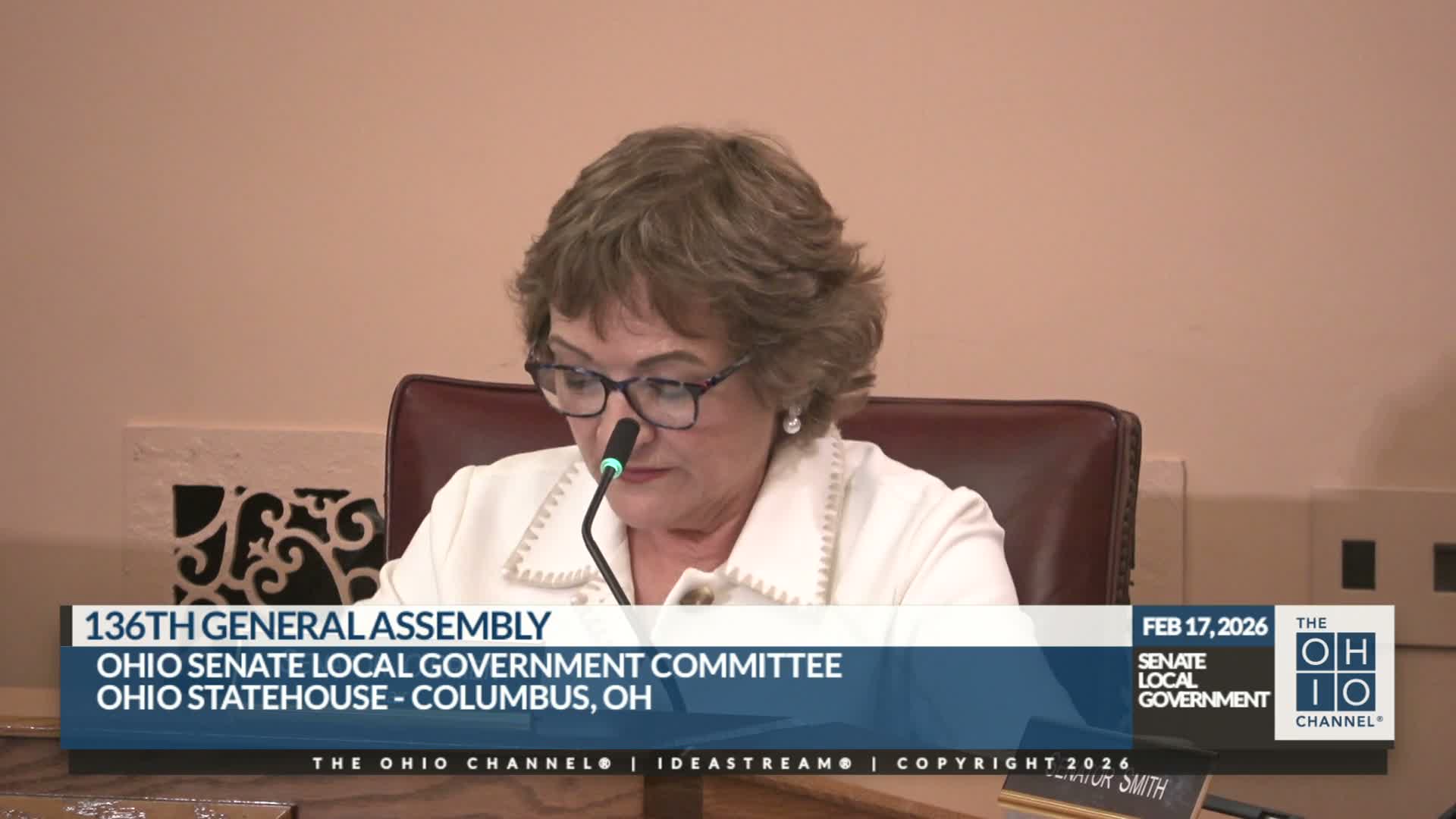
Summary
Representatives Dieter and Johnson told the Senate Local Government Committee that amended House Bill 397 would allow counties to use profits from jail commissaries for recreation, treatment-related medication, investigations of staff misconduct, safety technology and advanced training while retaining Auditor of State oversight and existing inmate protections.
Representatives Dieter and Johnson testified in the Senate Local Government Committee in support of amended House Bill 397, saying the measure would modestly expand what counties may pay for from profits generated by jail commissaries.
Dieter told the committee the bill “adds targeted common sense options limited strictly to profits to help counties meet modern health, safety, and operational demands,” naming recreation and programming services, medications tied to treatment, investigation of staff misconduct, safety and security technology, and advanced training for jail personnel as permissible uses. Johnson said the change is “very narrow, ensuring the focus remains on inmate welfare, safety and accountability.”
Both sponsors emphasized that existing oversight remains in place. Committee members confirmed that oversight of commissary funds rests with the Auditor of State, not county auditors, and Dieter said nothing in the bill would change access to hygiene items or writing materials for indigent inmates. Dieter also said she would work with Buckeye sheriffs to clarify operational intent and implementation details where needed.
Committee members raised transparency concerns. One senator asked whether commissary books and expenditure records are open to the public; Dieter said she did not know and offered to find out. Multiple members said they generally support the bill’s goals but prefer commissary expenditures be made public or otherwise more transparent.
No formal vote or motion was taken during the hearing. Chair O’Brien closed the first hearing on the amended bill after the sponsors concluded their testimony and committee members finished questions. The sponsors requested a favorable report from the committee.