
Mayor's office unveils FIFA 2026 Human Rights Action Plan draft, emphasizing worker protections and legacy measures
Get AI-powered insights, summaries, and transcripts
Subscribe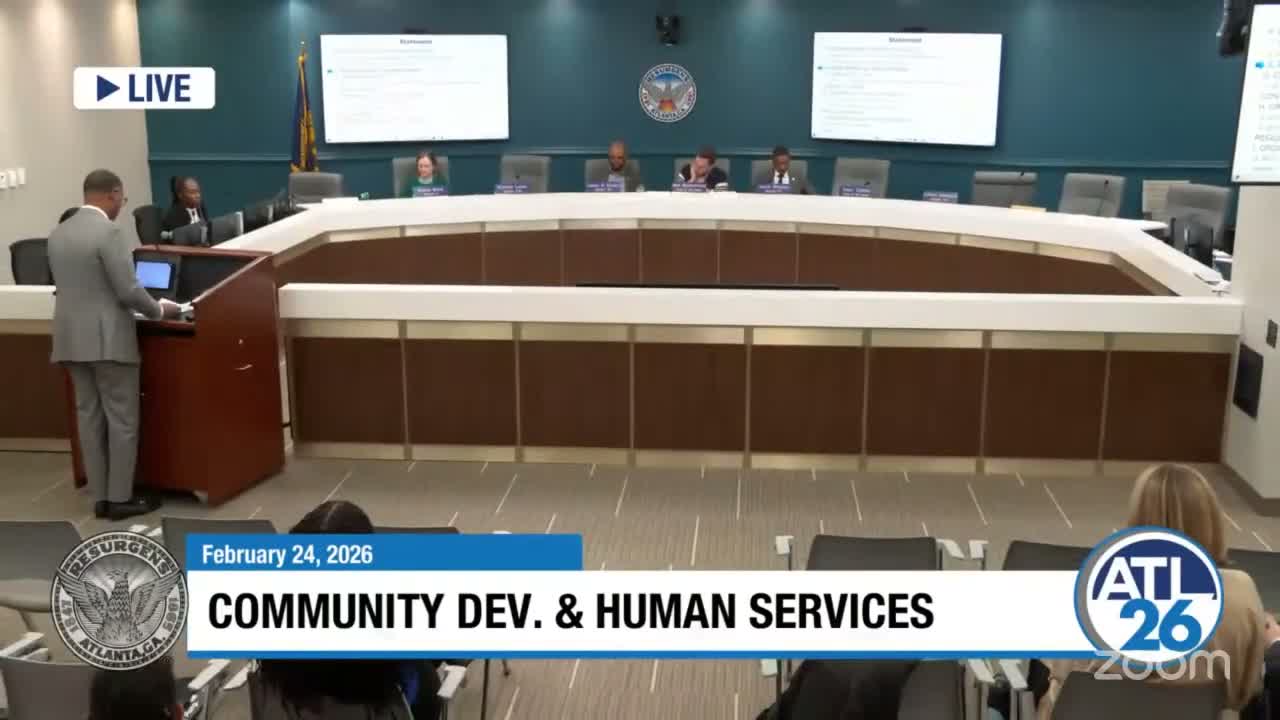
Summary
The mayor's chief impact officer, Candice Stansell, briefed the committee on a 54-page Human Rights Action Plan to be released Feb. 26 that focuses on inclusion, workers' rights, access to remedy, anti-trafficking measures and legacy training and evaluation tied to FIFA 2026.
Candice Stansell, chief impact officer in the mayor's 1 Atlanta office, presented the draft Human Rights Action Plan the city will release Feb. 26, describing three core priorities: inclusion and safeguarding, workers' rights, and access to remedy.
Stansell said the plan grew from roughly 75 hours of community engagement and more than 25 organizations' input. The package includes trainings, a citywide calendar of human-rights-related events, partnerships with UNICEF for youth protections, and a standardized evaluation tool intended to measure legacy impacts after FIFA.
Why it matters: The plan seeks to reduce risks associated with large sporting events — from worker exploitation to trafficking — and to leave lasting protections and resources in Atlanta. Stansell emphasized the city's limited jurisdiction over some FIFA decisions but said the plan focuses on what the city can control, including worker protections, anti-trafficking coordination with hotel and state partners and supports for young entrepreneurs.
Council members asked about implementation specifics: heat-safety training for service workers, whether encampment sweeps will be paired with long-term housing, and whether parts of the plan should be codified to outlast changes in mayoral leadership. Stansell said many policies and bodies already exist (for example, the Human Relations Commission and prior memos on peaceful protest), and the administration plans additional training, mapping of the human-rights ecosystem and partnerships to provide wraparound services.
What's next: The administration will release the plan on Feb. 26, begin human-rights ecosystem mapping and launch a training series on April 1. The committee recommended continued collaboration with labor and housing teams to ensure protective measures are operationalized.