Get Full Government Meeting Transcripts, Videos, & Alerts Forever!
Get email alerts on the Tax Policy topic
No spam. Unsubscribe anytime.
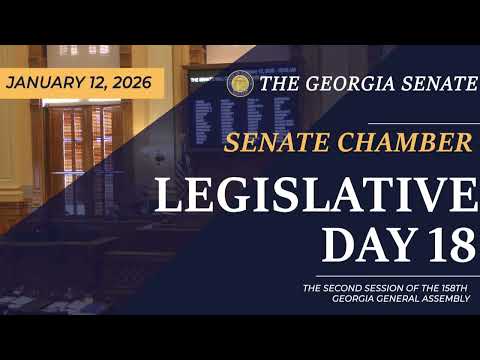
Georgia Senate approves package to raise standard deduction and cut income tax after heated debate
Summary
After hours of debate over fiscal impact and distributional effects, the Georgia Senate passed Senate Bill 476 (raising the standard deduction to exempt the first $50,000 for individuals and $100,000 for couples) and Senate Bill 477 (reducing the personal income tax rate and establishing revenue triggers) by constitutional majorities; supporters said the measures deliver middle‑class relief, opponents warned of a multibillion‑dollar hole and possible shifts to more regressive taxes.
The Georgia Senate passed a package of income‑tax measures late in the day, voting 32–18 to approve Senate Bill 476 and later approving companion measures that reduce the state income‑tax rate and add revenue triggers. Sponsors said the bills will return meaningful dollars to working families; critics said the measures remove longstanding revenue without sufficient fiscal analysis and risk cutting services or shifting the burden to sales taxes.
Senator Tillery (19th District), sponsor of SB 476 and chair of a special study committee, told colleagues the bill is designed to target relief to the middle class by "exempting the first $50,000 for an individual" and "the first $100,000 for a couple," using reductions in certain tax credits to pay for the change. "If we're going to take and give them a 40 basis point reduction, well that only ends up being ... roughly the cost of a cup of coffee," he said, arguing the committee's approach would put larger, more direct savings into taxpayers' pockets than a modest rate cut alone.
The bill package changes the state's approach to income taxation in two ways: SB 476 would dramatically raise the standard deduction and apply sunsets and review requirements to many income‑tax credits so the legislature can reassess their value by 2032; SB 477 would reduce the flat personal income‑tax rate and create revenue‑trigger provisions that could further lower the rate if state revenue grows above specified thresholds.
Opponents on the floor repeatedly pressed the majority for a fiscal note and a clearer accounting of long‑term impacts. "A fiscal note was required. I do not see a fiscal note included in any of these bills," said a senator raising a point of order during floor debate. Another senator, arguing against SB 476, called the package "a middle class tax hike," asserting that the income‑tax changes would create a budget shortfall and ultimately force cuts to services or require revenue replacements that fall harder on lower‑income households.
Those opposed also emphasized distributional effects. Some senators cited independent estimates that replacing lost income‑tax revenue could require between $3 billion and $9 billion annually depending on whether full‑year estimates and additional rate cuts are in scope, and warned that the revenue reductions could put pressure on Medicaid, public higher education, transportation projects and other core services.
Supporters countered that the plan was the product of months of committee study and that it prioritizes families over tax preferences for particular corporations or industries. One supporter said the special committee found cases where credit programs provided limited return on investment and that modest reductions in certain credits could finance substantial household relief. The sponsor and several backers also repeatedly denied that the bills explicitly raised sales taxes.
The Senate debated the bills for several hours and entertained numerous floor questions and statements from both parties. After the floor vote the presiding officer announced SB 476 had "received the requisite constitutional majority" and was passed. Senate action also included adoption of a committee substitute and insertion into companion House bills where procedural rules required it; the record shows formal passage tallies for the major measures were recorded on the Senate floor.
What happens next: the bills, now passed by the Senate, proceed to whatever next steps the legislative process requires (in some instances legislative language was placed on House bills). Sponsors said additional fiscal analysis and committee oversight would continue as the measures move through the process.
Votes at a glance
- Senate Bill 4 76 (standard deduction increase; credit reductions/sunsets): Passed (ayes 32, nays 18). - Senate Bill 4 77 (income tax rate reductions and revenue triggers): Passed (recorded yes votes and committee substitutes adopted; roll calls recorded in the floor journal).
Who spoke (selected)
- Senator Tillery (19th District), sponsor and chair of the special committee on eliminating the state income tax (presented the bills). First appearance on this topic: SEG 1210. - Senator from the Second (objector; raised procedural and fiscal concerns). First appearance raising engrossment objection: SEG 915. - Senator from the 17th (floor opposition; called the package a "middle class tax hike"). First appearance: SEG 1619. - Multiple other senators spoke for and against the measures during the extended debate (see floor record for full roll of speakers).
Legal and procedural notes
The bills amend provisions of the Official Code of Georgia Annotated (titles and sections were cited on the floor). Sponsor and supporters emphasized sunset and review provisions for credits to permit legislative oversight; opponents repeatedly requested an auditor's fiscal estimate and cited rule 3‑1.4 regarding fiscal notes.
The Senate also conducted routine ceremonial business and adopted several resolutions earlier in the day (including commendations for the Georgia Aquarium and recognition of Feeding Georgia), before moving to the tax measures.
(Reporting based on Senate floor proceedings and the official floor transcript; votes and quotations are taken from the transcript and the official roll calls announced on the Senate floor.)