Generations asks Ashe County for up to $300,000 line to keep elder services running
Loading...
Summary
Generations ASH requested up to $300,000 in short‑term contingency funding through June to stabilize aging services and restructure debt, and asked the board to support its request for USDA loan forgiveness; the county approved a $300,000 line with an initial $60,000 draw and monthly review.
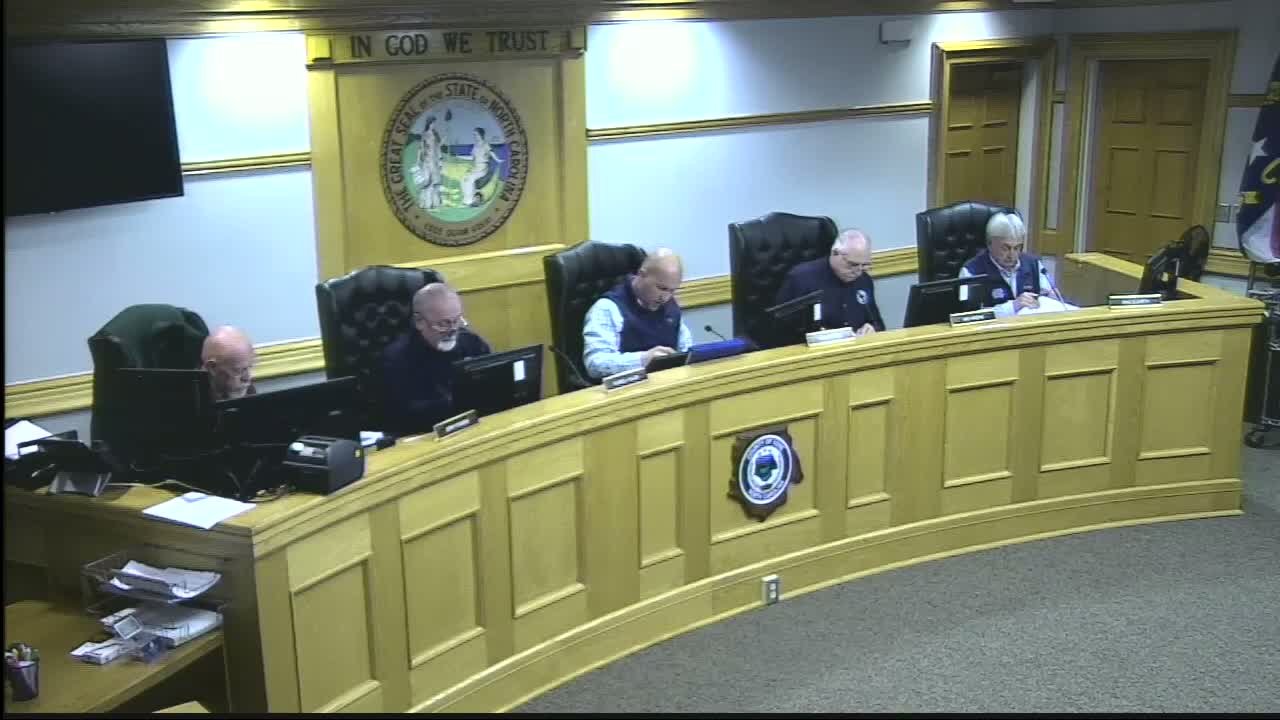
Patricia Calloway, executive director of Generations ASH, told the Ashe County commissioners on Feb. 16 that the local nonprofit that provides home‑delivered meals, congregate nutrition, transportation, adult day services and assisted‑living support faces a temporary but acute cash shortfall and asked the county for short‑term contingency support through the end of the fiscal year.
Calloway said increased operating costs since the pandemic, hurricane damage and contract staffing pressures have strained the organization’s finances. She listed immediate facility repairs (sprinkler‑system canopy work estimated at $7,000–$22,000), continuing debt service tied to a long‑standing USDA Community Facilities loan, and restructuring costs that will take months to produce annualized savings. "We anticipate needing up to $300,000 in contingency support through June," Calloway said, describing the request as time‑limited and capitated: "We will access just what we need and nothing more."
Volunteer driver Harry Corpening and board chairman Tommy McClure described the program’s community role; Corpening recounted making welfare checks while delivering meals to about 85 recipients and urged the commissioners to support Generations rather than require a loan. "We do more than just deliver a hot delicious meal — we see how things are going," Corpening said.
Commissioners pressed for detail on the assisted‑living unit, Medicaid reimbursements and the speed of the restructuring. Calloway said assisted‑living loan payments are roughly $25,000 per month plus a $6,000 replacement reserve, that some beds are Medicaid‑reimbursed at much lower rates than private pay and that program census and contract staffing fluctuations can change monthly revenue by tens of thousands. She said the organization has identified $265,000 in annualized savings from staffing and administrative cuts but that the benefits phase in over time.
To avoid immediate service disruption for 46 residents and roughly 40 onsite staff, the board debated options including a monthly stopgap and collateralizing an advance. The board voted to authorize a temporary credit line/deed of trust for Generations of up to $300,000 through June 30, with an initial appropriation of $60,000 to be available now and monthly draw approvals to follow. The county will be in second lien position behind USDA if loan forgiveness is not granted. Commissioners also agreed to draft and sign a letter supporting Generations’ request to USDA for loan forgiveness.
The action followed extended questioning about program finances and alternatives; Calloway said she would return to update the board monthly. The board did not guarantee long‑term operating support and emphasized the expectation that Generations continue restructuring work and pursue grants and other revenue.
Next steps: the commission approved an initial $60,000 appropriation, asked staff to draft deed‑of‑trust terms and to prepare monthly review items, and agreed to prepare an advocacy letter for USDA loan forgiveness.