Committee advances HB 481 with amendment adjusting road‑usage date, clarifies UDOT leasing and fund flow
Loading...
Summary
The committee favorably recommended second-substitute HB 481—an omnibus transportation bill with UDOT jurisdiction clarifications, authority to lease mobility‑hub space, repeal of the clean‑vehicle decal program, and changes to road usage charges including a $280 annual registration—after amending an implementation date from 2027 to 2028.
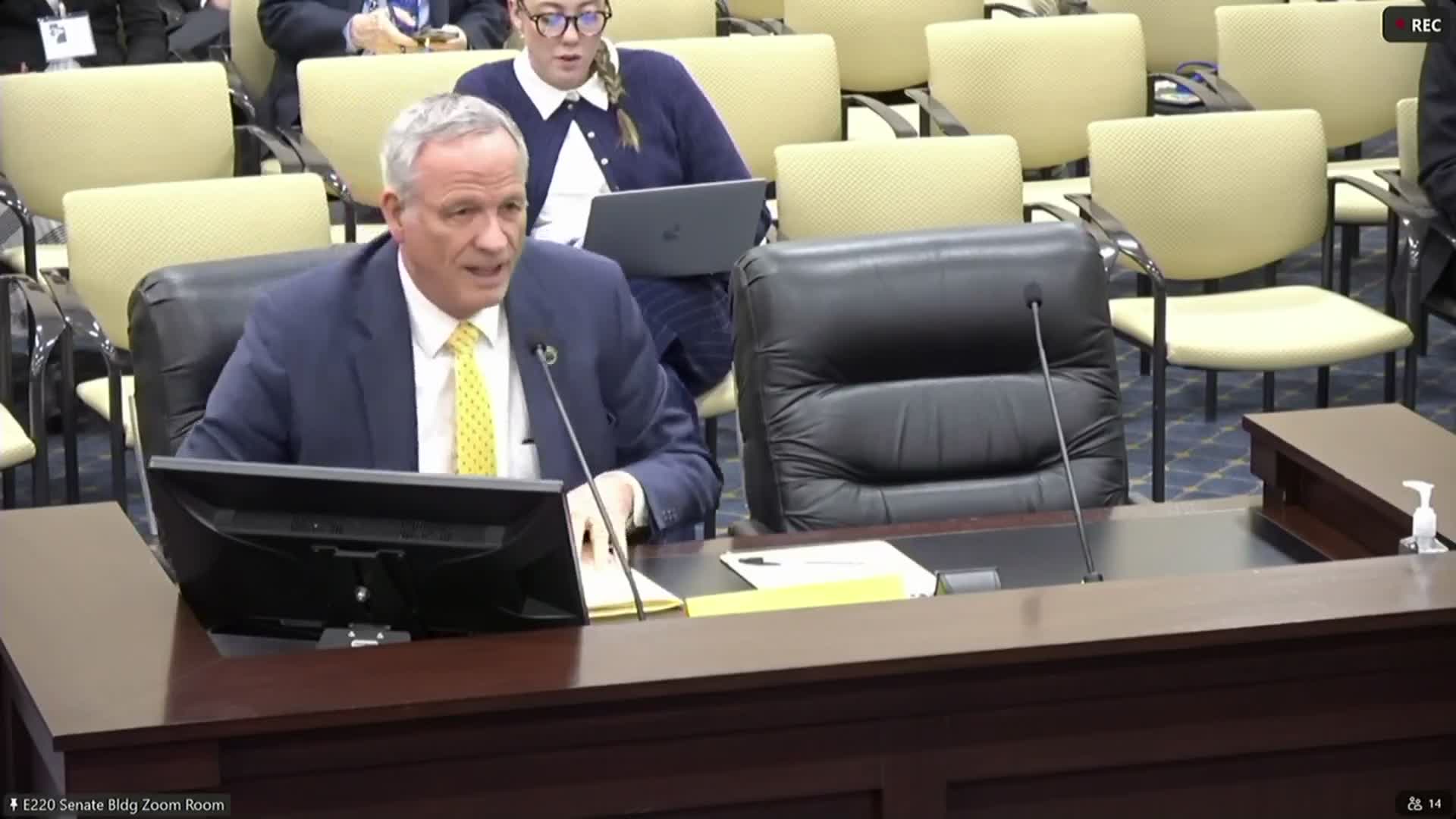
Representative Kristofferson presented HB 481 (second substitute) as a transportation omnibus bill containing several UDOT-requested clarifications and program changes. He described provisions that explicitly confirm UDOT jurisdiction over rails and stations, allow UDOT to lease space at mobility hubs (for concessions such as coffee or ski shops), and terminate the federal-era clean‑vehicle decal system cited in the bill packet.
On road usage charges, Kristofferson explained the bill would set a basic annual registration fee of $280 while preserving mileage‑based options (including an app‑based odometer photo or use of on‑board telematics). The purpose, he said, is to encourage participation in mileage‑based RUC options and to align registration with what comparable vehicles would have contributed via gas tax.
Director Carlos Braceras of UDOT told the committee that lease revenue from mobility hubs would flow into the state transportation fund and then be allocated through the legislature’s annual appropriation process. Kristofferson also said corridor preservation funds would go directly to local governments instead of being routed through UDOT.
Senator Kwan successfully moved a floor amendment to change a statutory effective date in the bill from 2027 to 2028 (motion carried 5–1 with Senator Harper recorded as the lone nay). After further brief discussion, the committee voted to pass HB 481 as amended with a favorable recommendation to the full Senate.
The committee did not receive extended public opposition on the bill in committee; questions centered on RUC implementation timing, the preservation of user choice between registration and mileage reporting, and how revenue would be appropriated.