Committee endorses time-limited veterans PTSD research trial with legislative guardrails (HB 390)
Loading...
Summary
The committee favorably recommended first substitute HB 390 to authorize a tightly scoped, time-limited clinical research trial on psychedelic-assisted therapy for treatment-resistant PTSD among veterans, with oversight by FDA, DEA and an institutional review board; veterans and researchers testified in strong support.
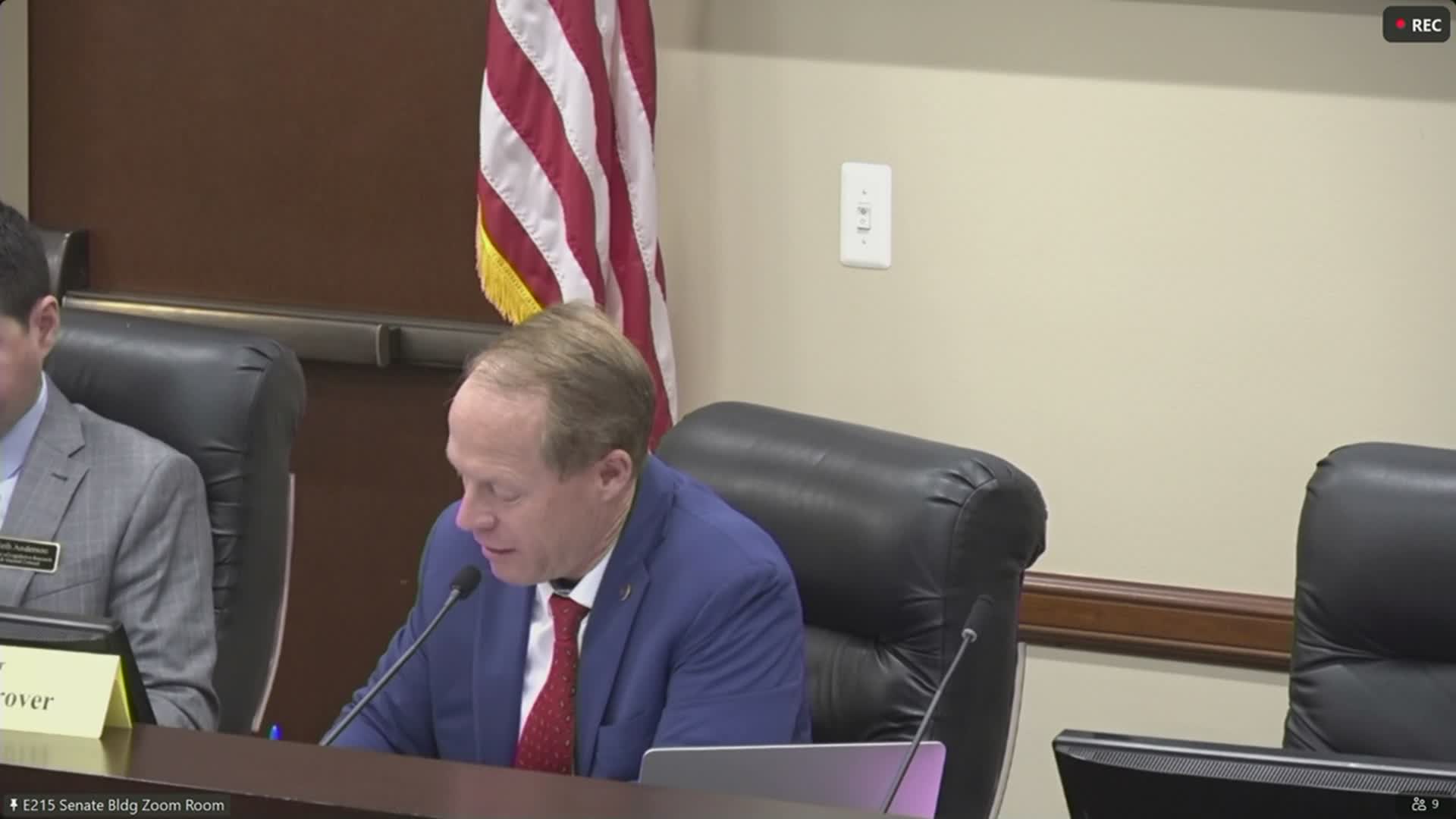
The Health and Human Services Committee on Feb. 19 favorably recommended first substitute HB 390, which would authorize a tightly scoped, time-limited clinical research trial to study psychedelic-assisted therapy for treatment-resistant post-traumatic stress disorder (PTSD) in veterans.
Retired Lt. Col. Matthew Butler, a veteran, gave emotional testimony describing personal recovery after seeking psychedelic-assisted care abroad. “I can say with absolute certainty that I owe my life, my happiness, my sobriety, my happy marriage… all to that Ayahuasca ceremony weekend,” Butler said, urging the legislature to provide a regulated pathway for research. Butler and other veterans’ advocates said many service members seek treatment overseas because a safe, regulated option is not available in the U.S.
Dr. Benjamin Lewis, associate professor of psychiatry at the Huntsman Mental Health Institute, framed the bill as a research-first approach with high levels of regulatory oversight. He said the proposal authorizes a time-limited trial at Huntsman with strict inclusion and exclusion criteria, safety monitoring, stopping rules for serious adverse events and regular reporting to the state: “This is not about public access, legalization, clinical rollout, or commercialization,” Lewis said; rather, it is a tightly controlled research pathway intended to generate Utah-specific safety and outcomes data.
Committee members questioned fiscal and scalability issues. Sponsors said the study has a fiscal note but is not dependent on state funding; private donations and existing grants are part of the funding plan, and the study is scalable based on available funds.
Multiple public witnesses, including a veteran working in alternative medicine and representatives of a psychedelic research center, voiced support. After discussion the sponsor moved that the committee favorably recommend the first substitute and the committee approved the motion by voice vote.
What’s next: The substitute will go to the full Senate. The committee record shows voice approval; no roll-call tally was recorded in the hearing transcript.