Get Full Government Meeting Transcripts, Videos, & Alerts Forever!
Committee advances street medicine bill to define services and allow injectable treatments (HB 339)
Summary
HB 339, advanced out of committee, defines street medicine, seeks guardrails for outreach-based care and would allow long-acting injectable treatments for unsheltered people with serious behavioral-health needs; Fourth Street Clinic leaders and committee members emphasized coordination and clinical oversight.
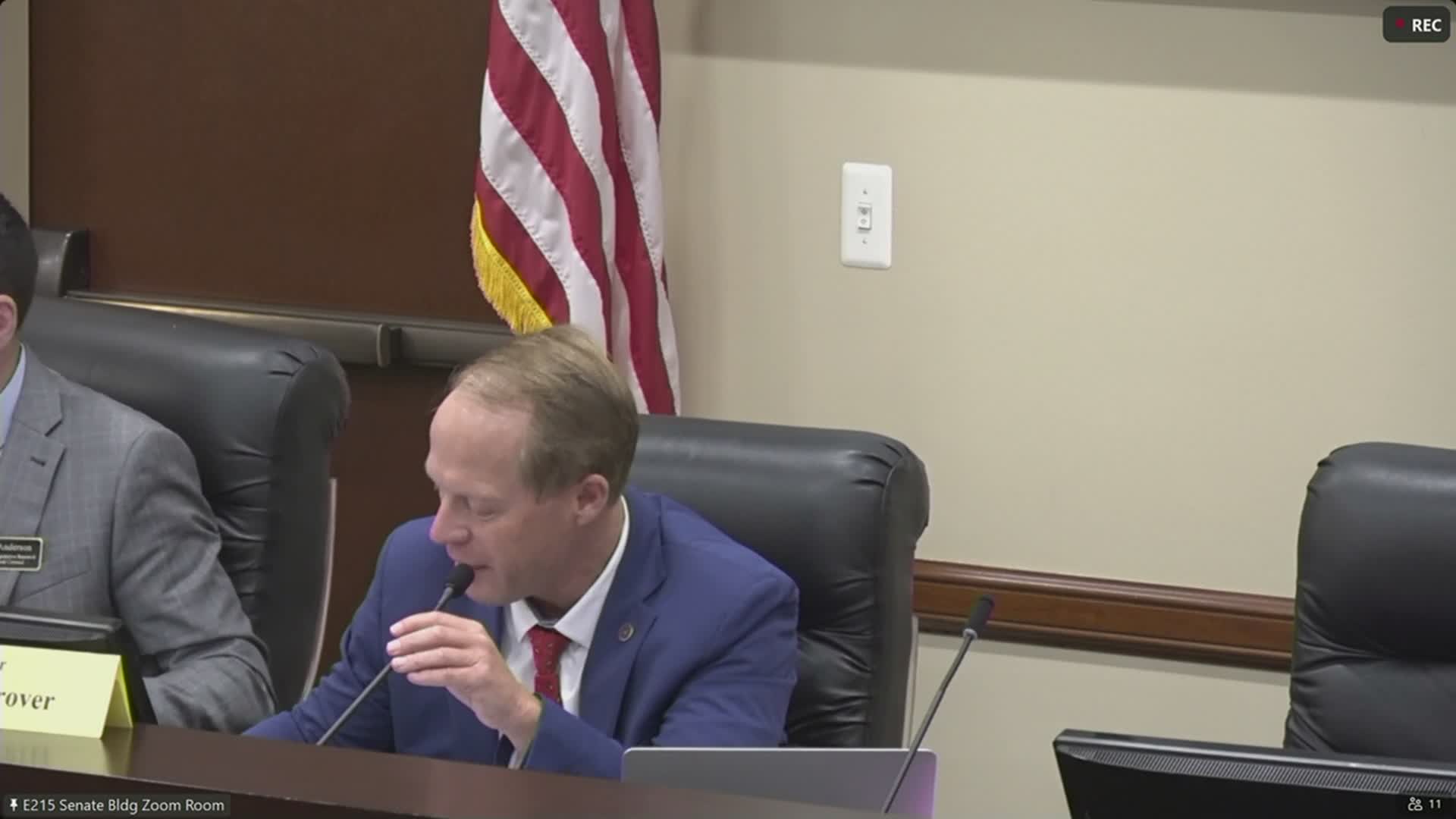
The Health and Human Services Committee favorably recommended first substitute HB 339, which defines street medicine in statute, sets guardrails, and authorizes long-acting injectable treatments for individuals with serious behavioral-health needs who are unsheltered.
Representative Clancy, the bill…
Already have an account? Log in
Subscribe to keep reading
Unlock the rest of this article — and every article on Citizen Portal.
- Unlimited articles
- AI-powered breakdowns of topics, speakers, decisions, and budgets
- Instant alerts when your location has a new meeting
- Follow topics and more locations
- 1,000 AI Insights / month, plus AI Chat