Get Full Government Meeting Transcripts, Videos, & Alerts Forever!
Get email alerts on the Tax Equity topic
No spam. Unsubscribe anytime.
Committee endorses joint resolution urging Congress to eliminate ‘marriage penalties’ in federal programs
Summary
The committee favorably recommended HJR18, which asks Congress to address tax and benefit changes that can penalize married couples, citing a Kemsey Gardner Institute report and outreach with Congressman Blake Moore and national partners.
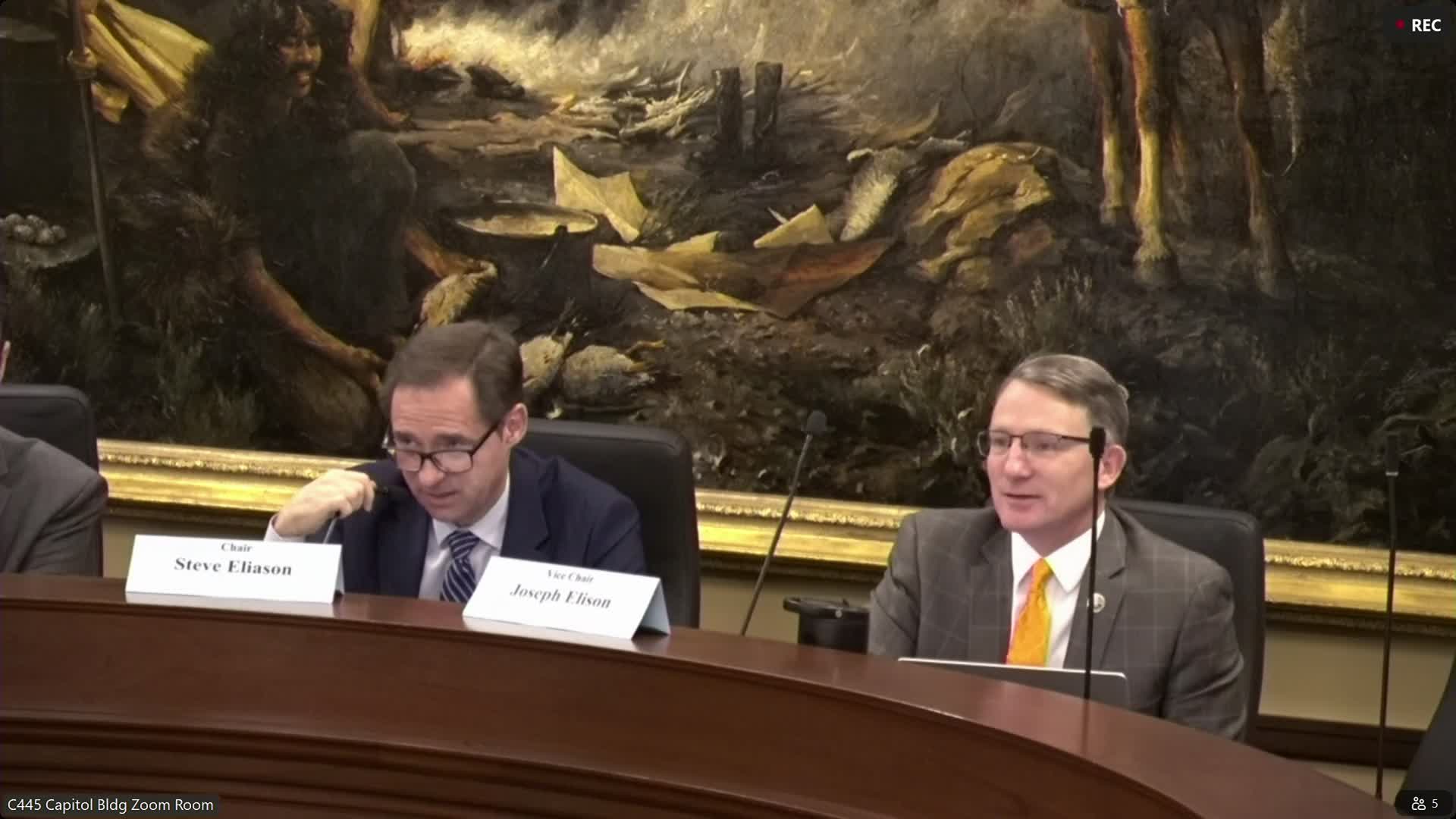
The House Revenue and Taxation Standing Committee on Tuesday voted to recommend HJR18, a joint resolution urging Congress to consider changes that would eliminate so-called marriage penalties — federal program or tax changes that reduce benefits or raise tax burdens when people marry.
Representative Ballard, sponsor of the resolution, told the committee outside research from the Kemsey Gardner Institute found ways states could equalize tax thresholds and avoid penalizing marriage. Ballard said Congressman Blake Moore and national groups including the Heritage Foundation have engaged on this issue and that the resolution would provide support at the state level for federal reform.
Sponsor remarks listed concerns that dozens of federal programs have cliffs that reduce benefits when household composition changes and said the resolution is intended to strengthen families and avoid benefit loss tied to marital status. Sutherland Institute was listed in the record as supporting the measure. With no public testimony, Representative Lisonbee moved the committee to favorably recommend HJR18; the motion passed by voice vote and the chair ruled it unanimous.
The resolution is a policy statement to encourage congressional action and does not alter state law. It will be sent to the House for further consideration.