Get Full Government Meeting Transcripts, Videos, & Alerts Forever!
Get email alerts on the Tax Policy topic
No spam. Unsubscribe anytime.
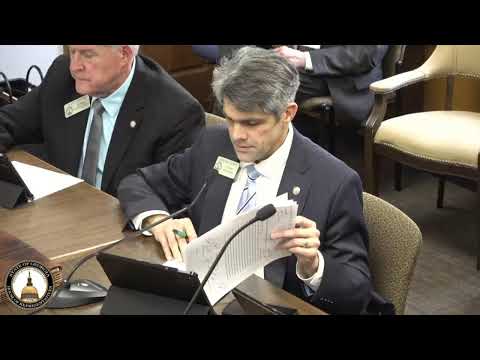
Chairman Blackman presents bill to lower income tax rate, raise standard and dependent deductions
Summary
Chairman Blackman introduced House Bill 880 to continue earlier tax‑reduction steps: an incremental rate cut to about 3.99%, a $3,000 increase to the standard deduction, a $1,000 dependent deduction increase, and adjustments to senior exemptions and the revenue shortfall reserve fund. Members queried trigger language and fiscal details; the item was a first hearing only.
Chairman Blackman presented House Bill 880 to the Income Tax Subcommittee of the Ways & Means Committee as a continuation of prior income‑tax reform efforts. He summarized the bill as reducing the income tax rate in incremental steps to about 3.99%, increasing the standard deduction by $3,000 and the dependent deduction by $1,000, raising the senior income threshold from $65,000 to $70,000 for an additional exclusion, and permitting the revenue shortfall reserve fund to hold up to 50% of the previous fiscal year’s net revenue with permissive allowance for half to be used for taxpayer relief.
Members asked the sponsor to point to exact lines for the rate reduction, dependent and senior deduction changes, and the sponsor identified the relevant pages and lines in the draft. The sponsor said a fiscal note existed but had been misplaced and promised updated fiscal figures by the next hearing.
Representative Buckner questioned trigger language that ties rate cuts to a governor’s revenue estimate (a 3% threshold), saying the legislature has not always followed that trigger in past actions; the sponsor responded by describing the concept of a structural surplus and the role of the taxpayer relief fund in current practice. During discussion members observed that, despite rate cuts, income tax revenue has continued to rise year‑over‑year, and the sponsor framed the bill as returning money to taxpayers while acting prudently.
The committee did not vote; the item was a first hearing only and the chairman indicated further committee work on fiscal numbers and precise statutory language would follow.