Get Full Government Meeting Transcripts, Videos, & Alerts Forever!
Get email alerts on the HB478 topic
No spam. Unsubscribe anytime.
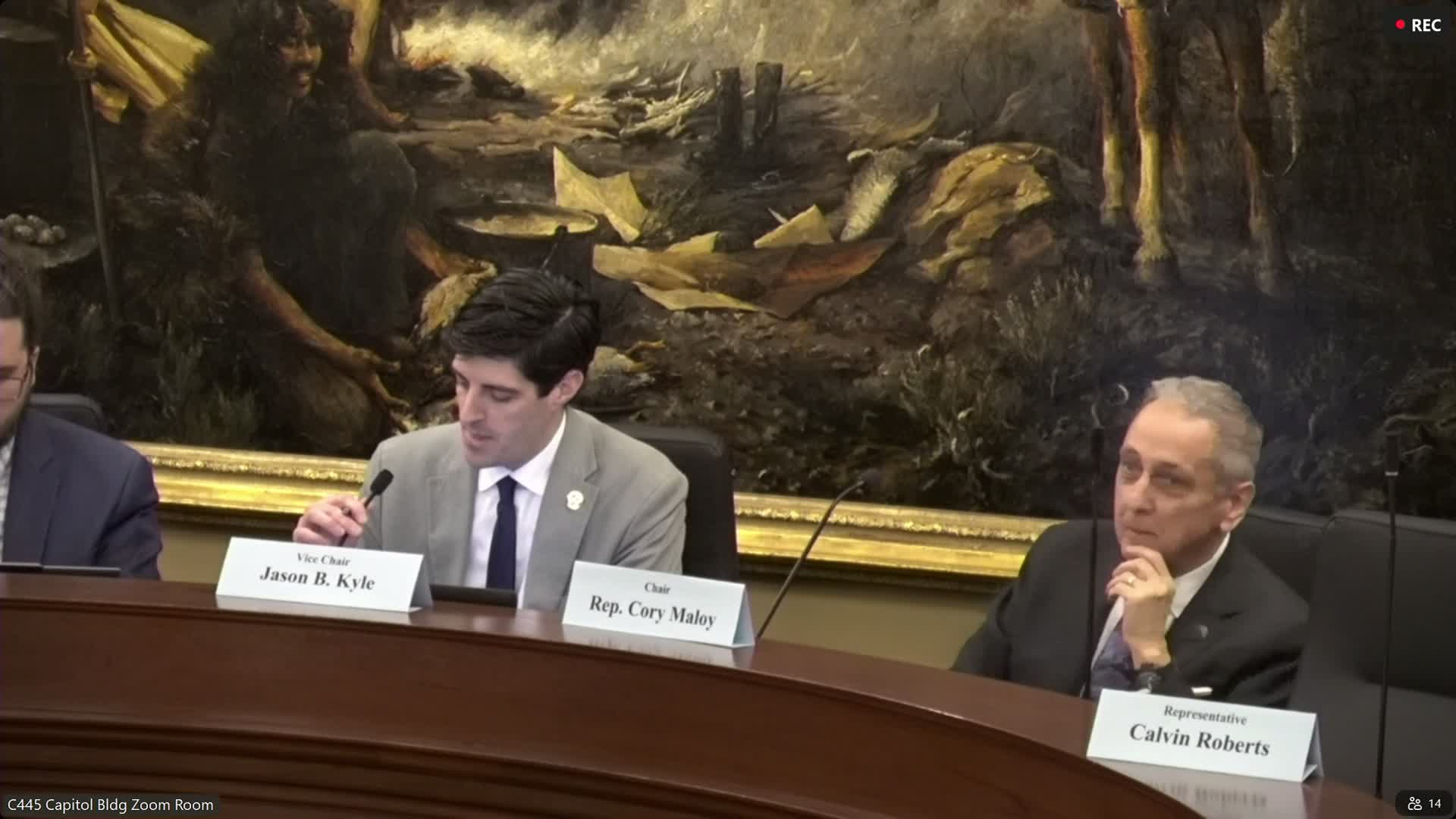
Committee hears competing views on 60‑day rent‑increase notice in HB 478; moves toward more discussion
Summary
HB 478 would require 60 days' notice before a rent increase for tenants in leases; proponents said it gives tenants financial planning time, landlords and rental associations warned it could reduce contractual flexibility. The committee deferred a final action and the sponsor offered future study.
SALT LAKE CITY — Lawmakers and stakeholders debated a proposal to require landlords to provide at least 60 days' notice before applying a rent increase at the end of a lease term.
Representative Arthur presented HB 478 as a limited measure that would apply to renters on fixed‑term leases and require owners to notify tenants within 60 days of an upcoming increase prior to the next agreement. The sponsor said the bill honors existing lease provisions and aims to set a baseline of predictability for renters who otherwise face last‑minute changes.
Committee members questioned how the proposal would interact with automatic escalation clauses in leases and whether landlords could alter contracts to avoid the requirement. Representative Ivory and others raised concerns the bill could prompt contract drafting to circumvent the notice requirement and could create unintended litigation or administrative burdens. Housing industry witnesses — including Justin Allen of the Rental Housing Association and Jeremiah Mann of an apartment association — urged flexibility for property owners, citing renovation needs or family uses of properties as reasons the ability to act on shorter notice is sometimes required. The Utah Housing Coalition testified in support, saying 60 days would help tenants manage expensive moves and budgeting.
A procedural motion to move on failed on roll call (3 to 11), after which the committee heard public testimony. The sponsor indicated willingness to pursue interim study and to convene landlords, tenants and other stakeholders to refine the policy.
Next steps: the committee did not take a final favorable vote and the sponsor suggested further study to refine definitions and exemptions before any subsequent motion.