Get Full Government Meeting Transcripts, Videos, & Alerts Forever!
Get email alerts on the Zoning Home Occupations topic
No spam. Unsubscribe anytime.
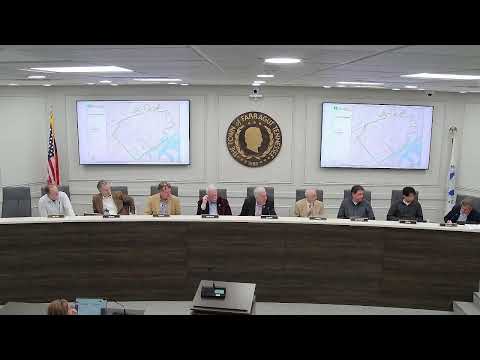
Planning commission debates broad rewrite of home-occupation rules and vehicle limits; staff to reconvene ad hoc committee
Summary
Farragut staff proposed eliminating a two-tier home-occupation approach in favor of a single, performance-based standard; commissioners and residents focused on how to regulate commercial vehicles (proposed ~27-foot length threshold) and enforcement, and directed staff to refine vehicle provisions and reconvene the ad hoc committee.
The Planning Commission held an extensive discussion on proposed updates to Farragut's customary home-occupation rules, including how to regulate commercial vehicles used in home-based businesses. Staff proposed removing a prior two-tier approach after legal review and replacing it with a single performance-based standard that focuses on impacts rather than use category.
"The draft language would eliminate the 2 tier approach that we had, and it would just provide a single set of requirements for all home occupations," Assistant Community Development Director Bart Hose told commissioners, citing a pending Tennessee case that raised equal-protection concerns about a tiered system.
The most contested topic was vehicle regulation. Staff presented size thresholds used in the draft—about 27 feet as a maximum length for vehicles allowed in front of the home in some cases, and a 22-foot/8-foot example for smaller commercial vehicles—to illustrate how the policy could distinguish typical passenger/commercial vehicles from larger trucks that many residents find unacceptable in neighborhoods. Hose also said staff considered moving vehicle rules into the property-maintenance code so a single standard would apply to all residential lots, not only those with home-occupation permits.
Residents and multiple ad hoc committee members criticized how the earlier steering/ad hoc committee process unfolded and asked for more citizen involvement. Brian Walker, who served on the ad hoc committee, said committee members' objections were "basically omitted or overlooked" in later drafts and urged the committee to reconvene. Alex King, an alderman who served on the ad hoc group, asked that the committee restart with broader representation of homeowners, HOA leaders and home-based business operators.
Commissioners debated enforcement and inspections. Bart Hose said applications are currently self-certified and pre-approval site inspections are not typical; enforcement relies on neighbor complaints and subsequent code-enforcement investigation. "If neighbors make complaints, we'd... ask them to document for us," Hose said, adding that violations could be pursued through municipal court when documented.
After extended discussion, commissioners asked staff to prepare additional options on vehicle limits (length, tonnage, or mirroring RV rules), consider a waiver or appeals process, and attempt to reconvene the ad hoc committee with broader stakeholder outreach including HOA representatives and business owners. No formal ordinance was adopted at the meeting; the item remains in the discussion and drafting stage.