
Eastern Shore watermen describe market collapse; state compiles data for NOAA disaster request
Get AI-powered insights, summaries, and transcripts
Subscribe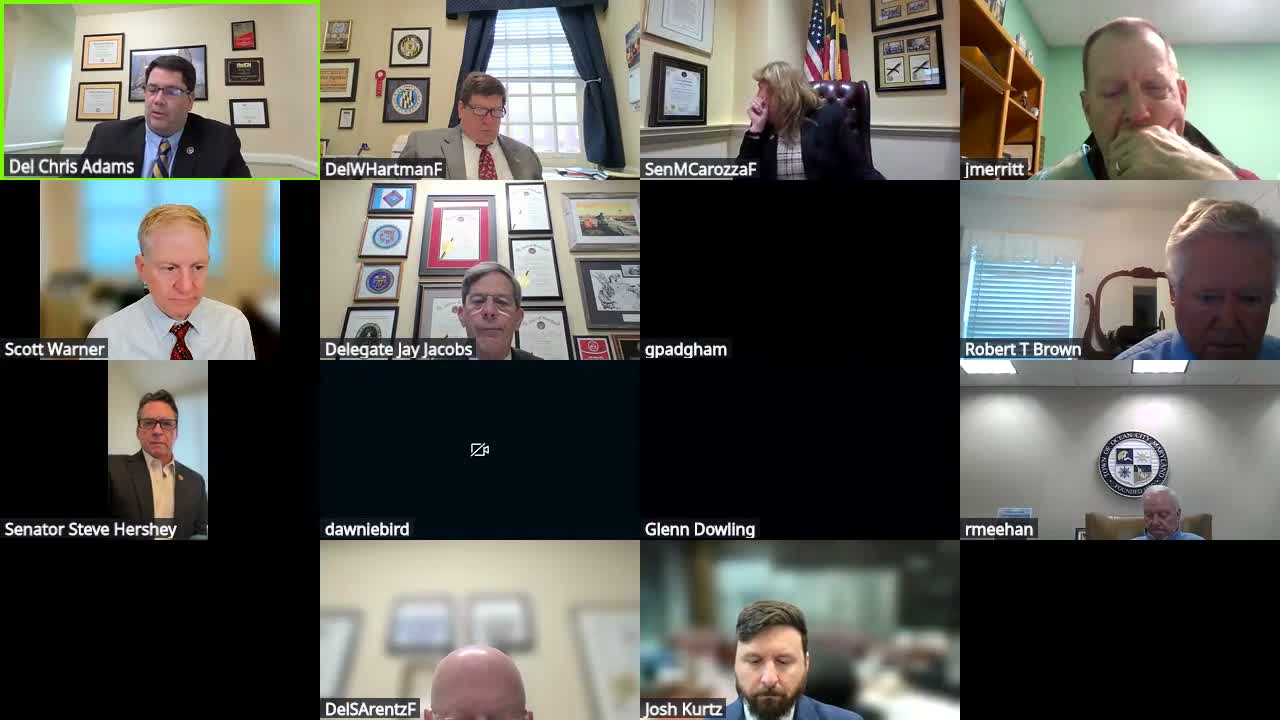
Summary
Watermen told the Eastern Shore delegation markets and a major Potomac sewage spill have crippled demand for oysters; DNR issued two-week emergency season extensions and said it is compiling buy-ticket data toward a NOAA fisheries disaster declaration. State marketing efforts will be stepped up.
Watermen and state officials told the Eastern Shore delegation on Feb. 20 that Maryland's oyster industry has suffered a sharp market collapse this season and that state agencies are pursuing a multi-pronged response including emergency season extensions, data collection for a possible NOAA disaster declaration and stepped-up marketing.
An on-the-water speaker described the market downturn and the effect of a large sewage spill, saying: "It's made a unnational, burden on the people," and urged environmental and public-health agencies to confirm shellfish safety for buyers.
Jeff Harrison, representing county-level oyster interests, raised concerns about funding equity between public fisheries and sanctuaries, reported efforts to source substrate (including dredged shells from Man O' War shoals) and said permitting timelines were delaying beneficial projects: "he told me it would take a year to get the permit so that we would not be able to do it this year." (paraphrase of testimony on permit delays).
Maryland Department of Natural Resources Secretary Josh Kurtz said the department issued emergency regulations extending the oyster season and the main-stem striped bass gillnet season by two weeks and that DNR is assembling buy-ticket data to meet NOAA's fisheries disaster threshold, which DNR understands is measured in bushels and requires about a 35% impact in the metric NOAA selects. Kurtz said the industry's dockside value has fallen sharply: "it went from just over just about $12 to just over $6 this year."
Kurtz and Maryland Department of Agriculture marketing staff said the state is accelerating marketing efforts, including the "Sip and Shuck" campaign (funded through a federal grant) and planned showcases at the Seafood Expo North America to reconnect buyers and chefs with Maryland wild-caught oysters.
Delegation members pressed DNR on timing and the choice between NOAA disaster funding and a Stafford Act (FEMA) request; Kurtz said NOAA has been the initial focus because those funds can be targeted to fisheries and that legal staff are reviewing whether pursuing both paths could be advantageous. Kurtz said the department expects to continue collating ticket data over the coming days and weeks to determine whether it can formally request a NOAA fisheries disaster declaration.
Next steps: DNR will continue buy-ticket data collection for NOAA and expand market messaging; watermen groups are forming short-term relief funds and pursuing additional substrate and permitting solutions.