Get Full Government Meeting Transcripts, Videos, & Alerts Forever!
Get email alerts on the Public Health Policy topic
No spam. Unsubscribe anytime.
Committee advances bill to require coverage for preventive services and give public health officer standing-order authority
Summary
SB 1598, which requires state-regulated plans to cover preventive services as defined before June 30, 2025 and authorizes the Oregon Public Health Officer to issue narrowly tailored standing orders for drugs and devices, was moved to the Senate floor after committee debate and a failed amendment that would have narrowed and clarified parental-rights and reporting protections.
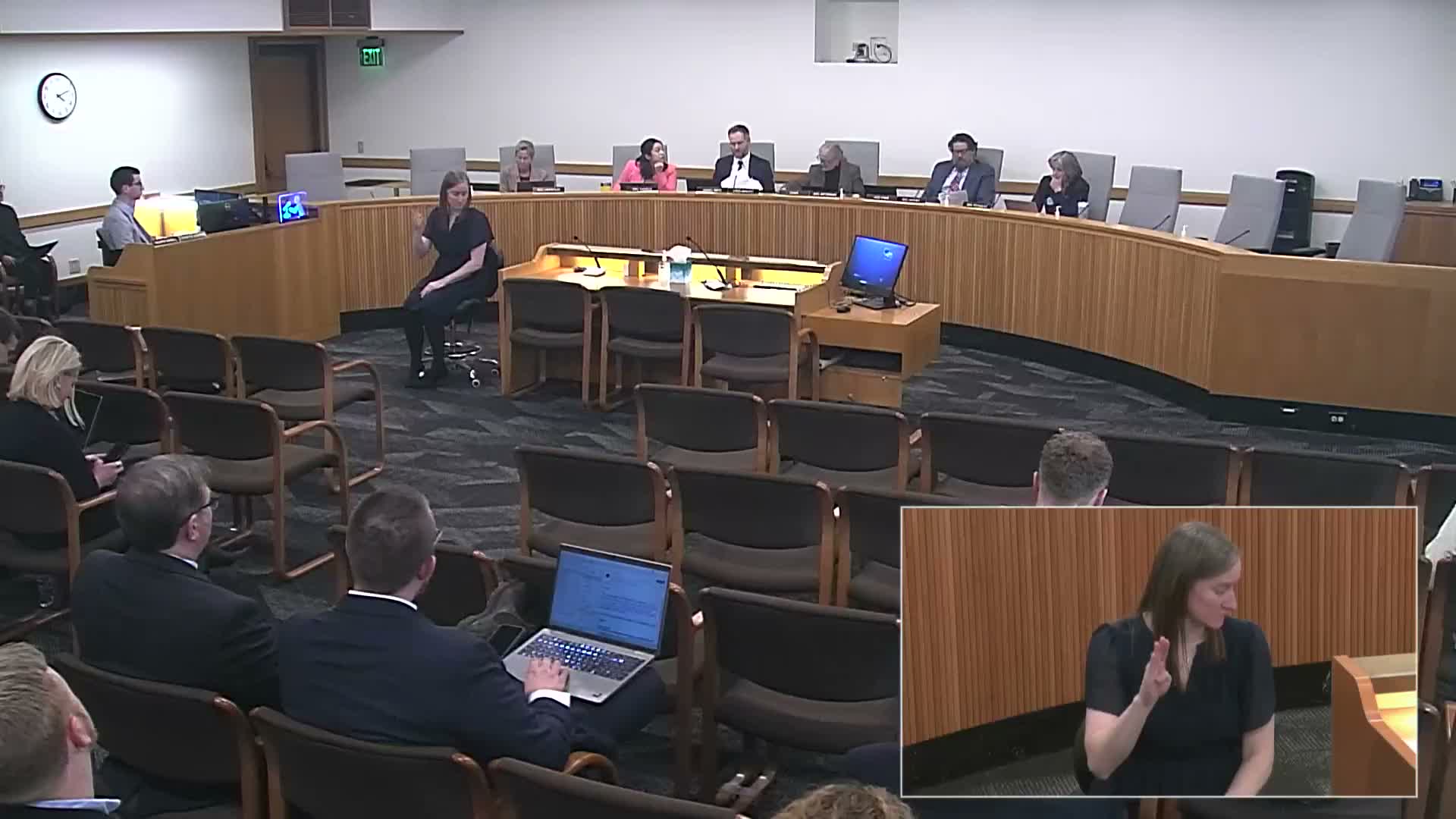
The Senate Committee on Health Care held a work session Feb. 11 on SB 1598, a bill that would require state-regulated health plans to cover preventive health services as defined by the U.S. Department of Health prior to June 30, 2025, and would allow the Oregon Public Health Officer to issue standing orders for drugs and devices to prevent, mitigate or treat significant public-health concerns.
Mr. Dietz summarized the bill and noted two components: mandatory coverage of pre-6/30/2025 preventive services and standing-order authority for the Public Health Officer (an appointee under ORS 431.045). The standing-order portion requires solicitation of input from local health officers unless delay would endanger public health and specifies that standing orders "may not require a person to receive, use, administer, or withhold a drug or device." The bill declares an emergency effective on passage; DCBS posted a fiscal impact statement noting minimal fiscal impact and a revenue statement noting no revenue impact.
Vice Chair Hayden moved a comprehensive dash-1 amendment that would limit the officer's authority to implement policies expressly authorized in statute, require standing orders to be narrowly tailored to demonstrable public-health risks, protect parental rights and prevent standing orders from being used to exclude students from school activities, add annual reporting to the Legislative Assembly, and direct DCBS to report on co-pay accumulator programs and centralize certain drug purchasing functions. Hayden said parental-rights protections and limits on the standing-order scope were his primary motivation.
Opponents and some supporters debated liability language and the scope of standing orders. Some senators expressed concern about language exempting the Public Health Officer and practitioners from civil liability; other committee members noted existing federal and state systems (manufacturer liability and the National Vaccine Injury Compensation Program) that address product defects and vaccine injury claims. Senator Hayden's amendment failed on a roll call. The committee then voted to move the base bill, SB 1598, to the Senate floor with a due-pass recommendation; recorded roll-call votes in the transcript show Senator Reynolds voting Aye, Vice Chair Hayden voting No, and Chair Patterson voting Aye.
What’s next: SB 1598 passed out of committee to the Senate floor; the committee carried related work sessions on hospice (SB 1575) and the patient-assistance reporting bill (SB 1528), and a possible work session on SB 1529 to the committee's next meeting on Feb. 16.