Get Full Government Meeting Transcripts, Videos, & Alerts Forever!
Get email alerts on the Pharmaceutical Transparency topic
No spam. Unsubscribe anytime.
Oregon bill would require drugmakers to report all patient-assistance programs, sponsors say
Summary
Sen. Deb Patterson and supporters told the Senate Committee on Health Care SB 1528 (dash-2) would expand manufacturer reporting to cover all patient-assistance programs so policymakers can see how coupons and other assistance affect insurance and state costs; pharma groups warned of confidentiality and limited evidence the change will reduce patient costs.
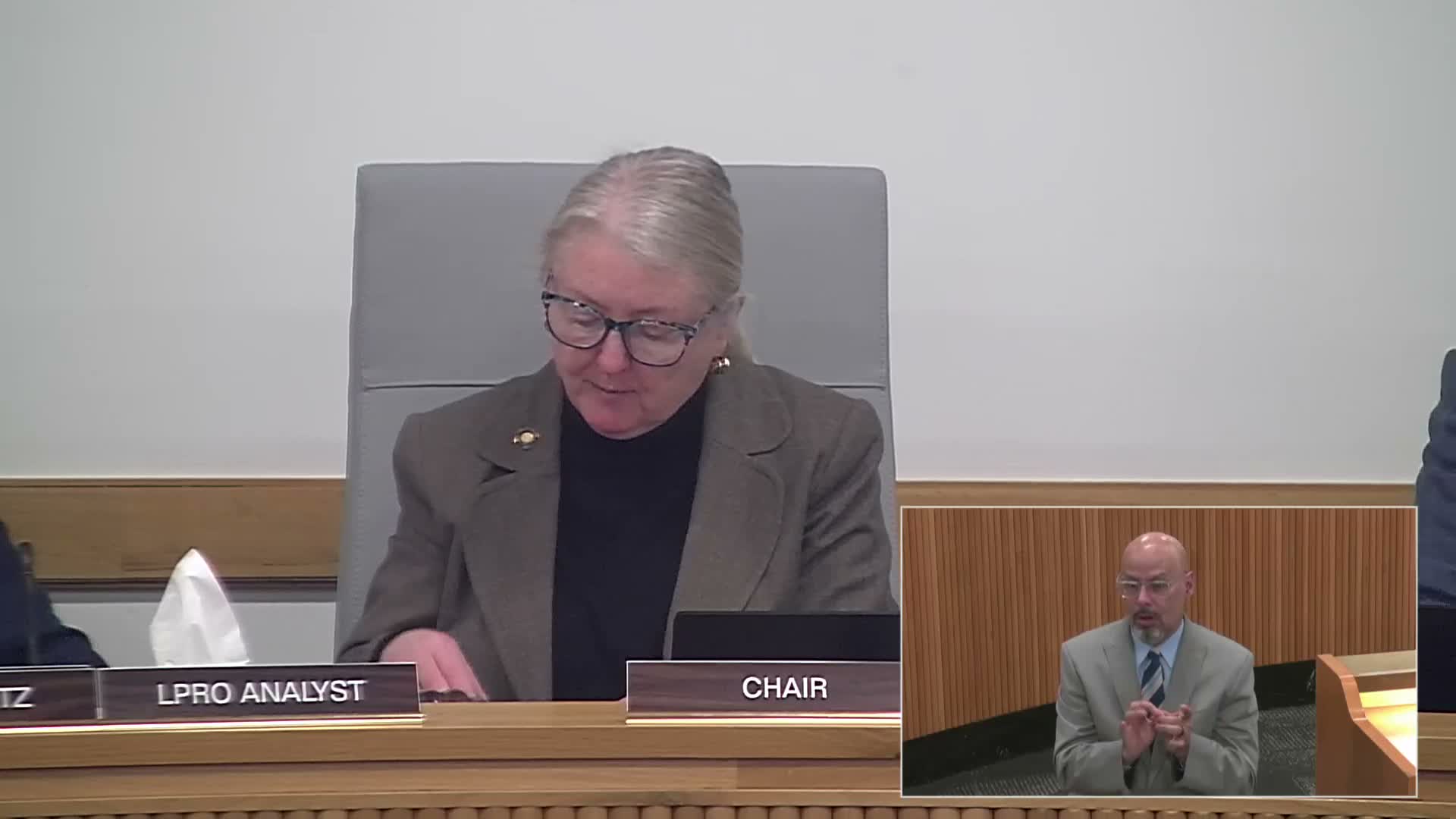
Sen. Deb Patterson urged the Senate Committee on Health Care on Feb. 11 to advance Senate Bill 1528 with its dash-2 amendment, saying the change would close loopholes that currently let drugmakers report only a fraction of patient-assistance programs. "We know that Oregonians are getting squeezed by rising health care costs and people in our communities are struggling to pay for needed medications," Patterson said, arguing broader reporting will help the state identify which drugs drive affordability problems.
Supporters including the consumer group OSPR and insurers told the committee expanded reporting would give analysts and policy makers usable data about how manufacturers’ co-pay and patient-assistance programs affect utilization and costs. "SB 1528 will give analysts and decision makers valuable information so that they can better evaluate patients' assistance programs for drugs with large price increases," Andrew Kilbach of OSPR said. Jesse O'Brien of the Division of Financial Regulation said the department supports the dash-2 amendment and that moving the operative date to Jan. 1, 2028, will allow DCBS time to implement portal and reporting changes.
Industry witnesses voiced opposition or cautions. Daria McGrew testified for pharmaceutical interests that the proposal expands the existing law beyond its scope, could expose confidential and proprietary information currently subject to litigation, and that available research does not show the expansion is necessary to achieve HB 4005’s goals. McGrew also cited industry research saying "less than 1% of claims with a co-pay assistance coupon are for a case where there is a generic option," arguing co-pay assistance often serves patients who lack a viable generic alternative.
Representatives of health plans and trade groups — including AHIP, PacificSource and Moda Health — said the bill would improve transparency. Peter Brown of AHIP argued manufacturers use coupons in ways that can "hide the actual costs" of drugs and that reporting requirements (for example, reporting the number of refills offered, program expiration, eligibility requirements and total value) would better equip regulators and providers to assess market impacts. Rick Blackwell of PacificSource supported the amendment while flagging legal questions and urging clarity on thresholds and enforcement. DCBS and insurers said current reporting is triggered in some years by price increases (for example, a 10% trigger) and that expanding to all programs will produce more consistent information.
The committee did not take final action on SB 1528 on Feb. 11; Chair Patterson closed the public hearing and carried the item over to the committee's next meeting on Feb. 16 for further work-session consideration.
What’s next: SB 1528 was carried over for a possible work session on Feb. 16; the operative date in the dash-2 amendment is Jan. 1, 2028, to give DCBS implementation time.