Get Full Government Meeting Transcripts, Videos, & Alerts Forever!
Get email alerts on the Wildfire Liability topic
No spam. Unsubscribe anytime.
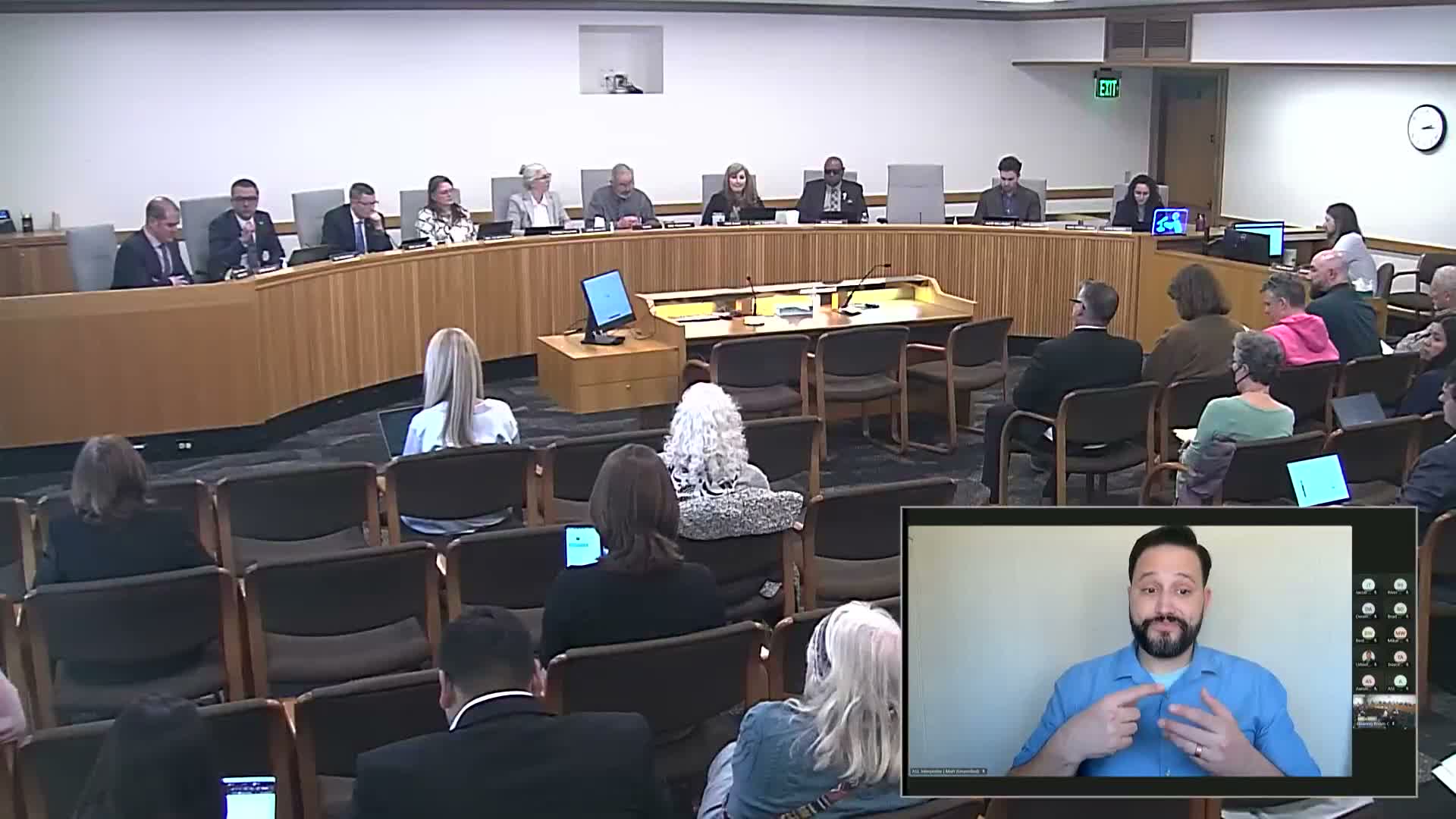
Wildfire survivors and utilities clash as committee examines bill to bar ratepayer recovery
Summary
SB 15 53 would bar utilities from recovering wildfire‑liability costs from ratepayers, require escrow funds for claimants, and direct punitive damages to a wildfire recovery fund; survivors urged passage to speed compensation, while industry and business groups warned of constitutional, investment, and appeal‑cost consequences.
Senate staff summarized SB 15 53, a multi‑part measure that would prohibit investor‑owned electric companies from recovering wildfire‑liability costs from ratepayers, require at‑fault utilities to establish escrow funds for claimants, make utilities liable for federal tax on recovered amounts, and direct a portion of punitive damages toward a wildfire recovery fund.
Wildfire‑survivor counsel Michael Watts, representing thousands of claimants, urged caution and argued several provisions could have unintended effects. Watts said section 2’s bar on utility cost recovery could make Oregon unique among states and risk capital flight, criticized escrow provisions that could raise appeal costs and reduce funds for grid hardening, and called the proposed punitive‑damages allocation insufficient relative to historic wildfire losses.
Survivors told personal stories. Dorothy Mortensen told the committee the bill would stop shifting costs to families after the utility’s negligence and would prevent survivors from losing settlement value to federal tax burdens. Mark Newell described long delays in appeals and the human toll of waiting for justice.
Business and industry witnesses opposed the bill. Derek Singston (Oregon Business & Industry) argued the measure risks unconstitutional interference with the judicial process and cautioned that escrow and judgment changes should be handled by courts, not the legislature. Travis Urie (IBEW) said the bill could reduce utility investment and construction jobs needed for grid hardening.
The committee closed the work session without a vote and carried the bill forward for further consideration.