
FDA leaders highlight new rare‑disease flexibilities and push for broader compassionate use
Get AI-powered insights, summaries, and transcripts
Sign Up Free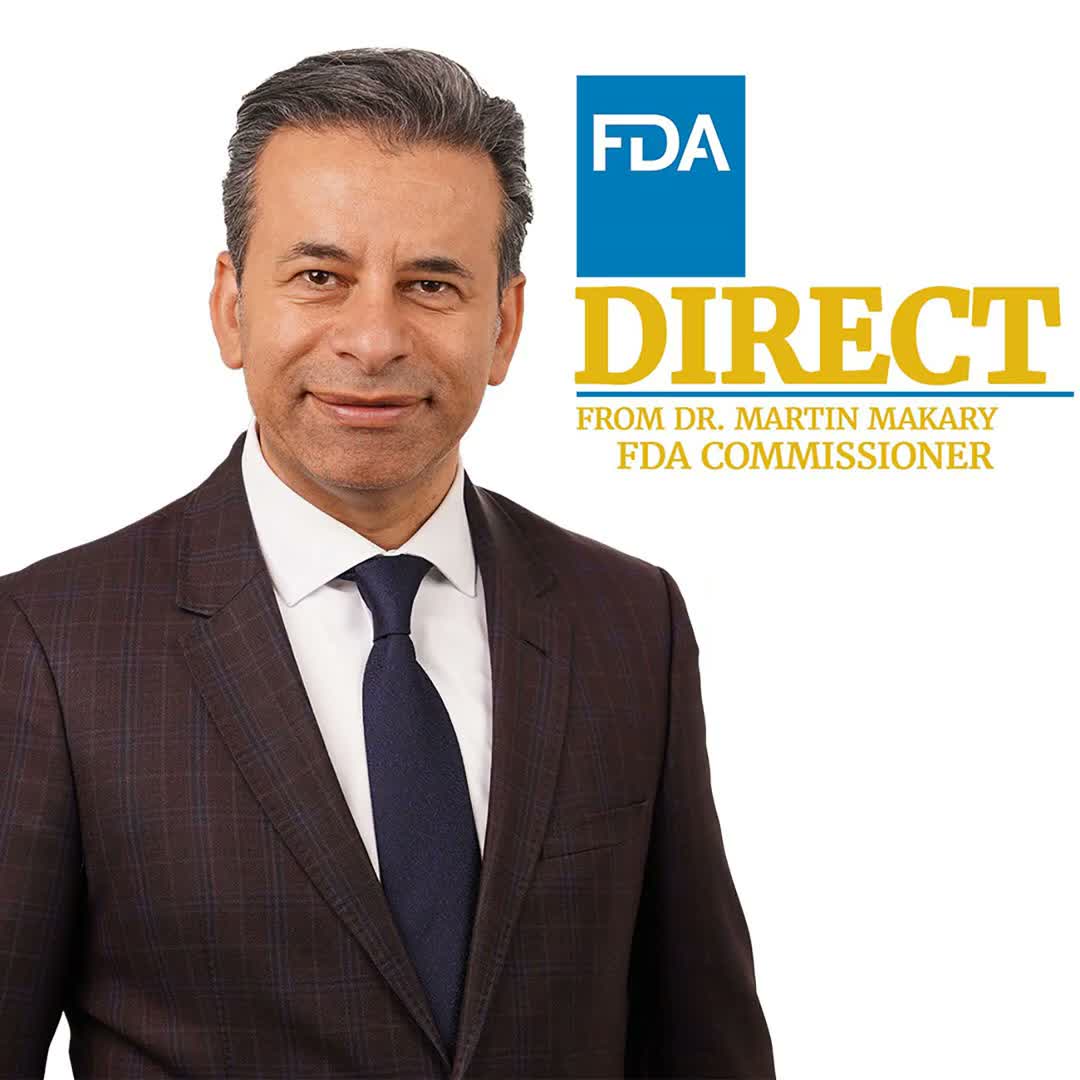
Summary
At an FDA virtual town hall during Rare Disease Week, agency leaders and a patient‑advocate described a new 'plausible mechanism' pathway for ultra‑rare conditions, reiterated transparency measures and urged companies to permit compassionate use and expanded access.
At a virtual town hall during Rare Disease Week, FDA leaders and patient advocates outlined regulatory changes aimed at speeding development and access to therapies for small patient populations. Speaker 1 said the agency plans a "plausible mechanism pathway" for ultra‑rare and bespoke conditions to allow regulatory decisions when traditional clinical data are limited.
"We wanna see more baby KJ's," Speaker 1 said, using a cited pediatric case as an example of the patients such reforms aim to help. Speaker 1 also said the agency is pursuing manufacturing and chemistry‑manufacturing‑controls (CMC) flexibility, including moving away from rigid multi‑batch routine requirements and allowing Bayesian statistical approaches to identify dosing in small or pediatric populations.
Participants discussed the tension between speed and safety. Speaker 1 framed it as a balance: regulators "don't want to see people harmed by drugs that have data showing that they don't work," but also want to accelerate access for patients with few options. To increase transparency, Speaker 1 said the FDA now makes its letters to companies public so the public can see why decisions were made.
Compassionate use and expanded access drew sustained attention. When asked about those policies, Speaker 1 said, "I believe in all of it. And so I've signed 100% of compassionate use authorizations that have come before the FDA." Speaker 1 acknowledged that companies sometimes resist providing investigational therapies on expanded access because of concerns about trial outcomes and urged common‑sense solutions to reduce barriers.
The town hall also highlighted that regulatory incentives already exist for rare‑disease development, including user‑fee waivers and transferable incentives. Speaker 1 described a transferable voucher program that they characterized as a large commercial incentive for developers.
The session closed with a reiteration of two agency priorities: more cures and meaningful treatments, and healthier food for children. Speaker 1 said those goals will continue to guide FDA efforts to both protect public health and speed access where appropriate.
Next steps indicated by participants included more outreach to patient communities, continued transparency about review decisions and further regulatory guidance on applying flexible statistical and manufacturing approaches for ultra‑rare therapies.