Residents and some councilmembers press Charlotte leaders to pause I‑77 South toll‑lane plan
Loading...
Summary
Dozens of residents urged Charlotte City Council to press state officials to pause the I‑77 South express toll‑lane project, citing displacement, air quality and transparency concerns; the council referred the matter to committees, plans a retreat discussion and invited NCDOT to explain next steps.
Dozens of Charlotte residents told the City Council on Feb. 23 that the proposed I‑77 South express toll‑lane project risks displacing Black neighborhoods, worsening air quality and locking the region into a costly, inequitable mobility model.
The public forum that dominated the meeting drew petitions, neighborhood leaders and advocacy groups — including Sustain Charlotte — asking the council to use its influence to pause the project so alternatives and community impacts can be studied. “That is not transparency. That is not partnership,” said Shannon Binns, founder of Sustain Charlotte, who submitted a petition she said included nearly 1,300 signatures.
Why it matters: Speakers warned the elevated toll‑lane design will disproportionately harm historically Black communities along the corridor and create a segregated, pay‑to‑use route that favors wealthier drivers. Shauna Bell of McCrory Heights cited a figure of $4.3 billion for the expansion and urged a publicly noticed pause and a more inclusive review process. Several speakers also cited the city’s adopted climate targets and questioned whether toll lanes align with the 2035 emissions‑reduction goals.
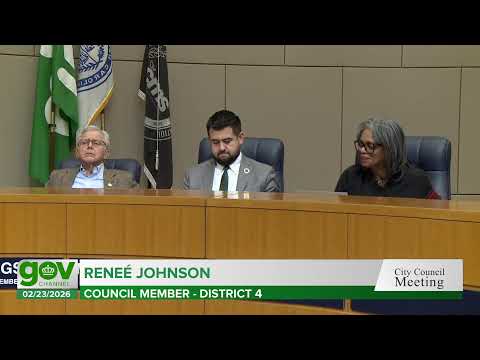
What council did: The mayor said the city cannot unilaterally stop a state‑led interstate project but can press for better engagement; city attorney Andrea Leslie Feit explained that the project has been on regional plans since 2014 and that authority over interstate toll facilities and procurement rests with state entities and the North Carolina Turnpike Authority under state law and with federal NEPA requirements. Councilmember Renee Johnson moved to add the I‑77 item to that night’s agenda for possible immediate action; the motion failed because adding a same‑night action requires unanimous support. Members then agreed to place the issue on the agenda for the upcoming council retreat and referred the matter to the Transportation Planning and Development Committee meeting on March 5, inviting NCDOT to attend and present project details.
Calls for a 60‑day pause: Several councilmembers — including Malcolm Graham and others — voiced support for a 60‑day pause to re‑assess alignment between the project and city goals, seek deeper environmental justice analysis and ensure stronger community engagement. “A pause is not obstruction,” Graham said. “It is due diligence.” Other council members urged the use of political influence with CRTPO and NCDOT to secure more transparency and alternatives without immediately abandoning the availability of state funds.
Competing view from business leaders: Anne Brooks, vice president for government affairs at the Charlotte Regional Business Alliance, told the council the project timeline does allow for additional outreach and that mobility improvements and protections can proceed in tandem without stopping the planning process. She asked that the city use the current schedule to structure engagement, protections and accountability measures.
Legal and procedural context: City attorneys and staff reiterated that the CRTPO (Charlotte Regional Transportation Planning Organization) included the project in the Metropolitan Transportation Plan years ago, triggering federal planning links and a procurement path. Final design, NEPA analysis and the procurement steps (request for qualifications and proposals) remain, and NCDOT staff said shortlisted teams will receive project data in coming weeks. City leaders said they are seeking meetings with NCDOT leadership, including a commitment from the Secretary of Transportation to meet with neighborhood leaders.
Next steps: The council referred the topic to the March 5 Transportation Planning and Development Committee with an invitation to NCDOT to explain the process and timelines and agreed to discuss the matter at the council retreat on Monday to decide whether to pursue a formal pause or to instruct the council’s CRTPO representative to advocate for specific actions.
Voice from the public: Residents emphasized alternatives such as bus rapid transit, truck routing changes, reversible lanes and other lower‑impact options, and warned that a privately financed P3 model could divert decades of toll revenue away from public benefit. “We need to consider changing our representative on the CRTPO,” one speaker said, calling for every available administrative option to be explored.
The council closed the discussion by reaffirming that it will continue pressing state partners, convening additional hearings and routing the issue through committee and retreat agendas before taking binding action.