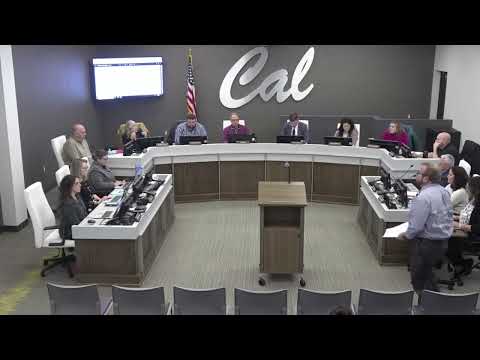
Board hears first reading on bus purchases as emissions rules and lead times push costs higher
Loading...
Summary
At a Feb. 9 first reading, Caledonia staff warned of a likely $20,000 per-bus price increase tied to 2027 diesel emissions changes, detailed fleet-age concerns (average fleet age 8.78 years; eight buses are 16 years old), and advised earlier ordering; the board did not vote on bus purchases but later received public comment from a bus driver supporting replacements.
Caledonia Community Schools staff presented a first reading on proposed school bus purchases during the Feb. 9 board meeting, telling trustees that federal emissions controls scheduled for the 2027 model year will increase bus prices and that long vendor lead times make earlier ordering advisable.
Facilities staff described the packet’s proposal as the district’s 'most expensive' scenario on paper and said the district is evaluating options including leasing and purchasing used buses to reduce near-term costs. Staff said the 2027 model-year engine changes tied to EPA emissions controls would add roughly $20,000 per bus and recommended continuing to explore alternatives.
Staff reported the district’s fleet average age is 8.78 years and identified a 'bubble' of eight buses that are 16 years old; officials said replacing those buses earlier helps avoid a concentrated spike in fleet age and maintenance needs.
Delivery timeframes were a concern: staff said that buses ordered now could be delivered as early as March (for some slots), while other orders have historically taken longer (one prior order placed around February did not deliver until October). Staff urged earlier ordering to secure production slots and warned that lead times and costs are likely to grow.
The board did not take a vote on any purchase; staff said the proposal is for next year’s budget and that detailed recommendations will return after further committee review.
At public comment, bus driver Blake Noble spoke in favor of purchasing new buses, describing frequent maintenance visits on older vehicles and urging the board to consider the operational benefits of newer buses. Noble said, "When we have a newer vehicle, it takes fewer trips to the repair shop," citing a personal repair earlier in the school year.
Next steps: staff will continue committee-level work on purchase options (leasing, used purchases, split sourcing) and return to the board with refined recommendations.