Get Full Government Meeting Transcripts, Videos, & Alerts Forever!
Get email alerts on the Student Lunches Id Scanners topic
No spam. Unsubscribe anytime.
Student and parent urge district to reconsider 30‑minute lunches and fix attendance scanners
Summary
A student and a parent told the Green Bay Area Public School District board that a proposed shift to 30‑minute lunches would harm students’ mental health and social time, and raised problems with district ID‑card scanners that they say record incorrect absences.
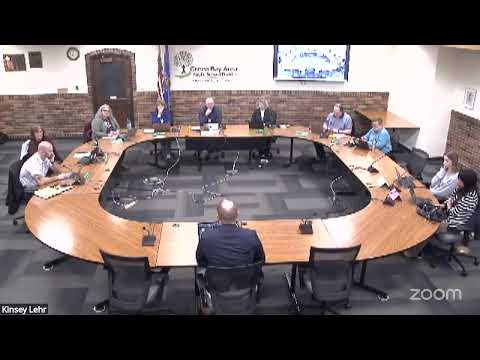
Jackson DeGrave, a 15‑year‑old student, told the Green Bay Area Public School District board during public comment that cutting lunches to 30 minutes would worsen student mental health and deprive him of crucial time with friends. “We get nothing at all,” Jackson said, arguing that shorter lunches leave students with insufficient time to eat, wait in lines and decompress.
Jackson also criticized the district’s ID‑card scanners, saying repeated errors have marked him or classmates absent when they were in class and triggered automated calls to parents. “Whenever I walk into some of my classes, the scanners aren’t working or on,” he said, describing a peer who was forced to walk outside in freezing weather after an entry dispute.
Jeff DeGrave, who identified himself as Jackson’s father, expanded the critique during public comment. He thanked staff who helped secure equipment for the esports team, but said the district’s attendance system — which he described as an “$8,000,000” investment — has produced “faulty information” and frequent incorrect absence notices. He asked the board to explain why parents receive false alerts and urged the district to follow up with families who report problems.
Both speakers also questioned a proposed advisory/closed‑lunch change. Jeff asked the board to clarify the purpose of advisory and warned that removing informal social time would reduce students’ opportunities to decompress during the school day. He also raised concerns about frequent curriculum changes and limited family outreach from some district programs.
The board did not take action on these public comments during the meeting. Members thanked the speakers and moved on to the consent agenda and action items.
Next steps: Jackson asked board members to contact him for further details; public comment closed and the meeting proceeded to votes on agenda items.