Get Full Government Meeting Transcripts, Videos, & Alerts Forever!
Get email alerts on the Local History topic
No spam. Unsubscribe anytime.
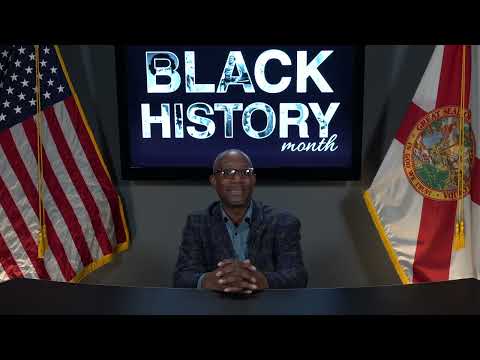
Commissioner May spotlights Pensacola civil-rights elders and Belmont Village history for Black History Month
Summary
On a county radio/TV segment, Escambia County Commissioner Lumen May hosted elders and community historians who recalled Pensacolas Belmont Village businesses, civil-rights organizing and the need to preserve local memory for younger generations.
Commissioner Lumen May opened a Black History Month segment to honor local civil-rights figures and cultural institutions, inviting longtime community leaders to recount struggles and accomplishments that shaped Pensacola. The program featured first-person recollections, archival references and an appeal to preserve and teach local history.
The programs guests included Allison Bennett, who described meeting civil-rights leader H.K. Matthews after military service and recounted threats and arrests activists faced while organizing; Robin Richard, who described Belmont Villages ecosystem of record shops, funeral homes and nightclubs that circulated money and culture; and Calvin "Crew" Ransford, who recalled coaching youth, running a family chicken stand and confronting Ku Klux Klan intimidation in the neighborhood.
Why it matters: speakers repeatedly connected personal memories to civic institutions, arguing that local history and community businesses provided safety, opportunity and a pipeline for talent and leadership. Robin Richard urged integrating Black history into everyday education so the communitys contributions are not forgotten; Commissioner May said program recordings will be archived for public access.
Speakers described specific local institutions and practices: WBOP radio and Guss record shop as hubs that promoted performers and events; funeral homes and small restaurants as longstanding businesses; Belmont Village clubs and large public gatherings that sustained neighborhood economies. Calvin Ransford described the social role of sports and youth coaching as a route to opportunity for local children.
The segment included mention of archival material (a 1961 Pensacola News Journal item about a KKK sign reported at a local residence) and an announcement that further episodes and recordings will be made available through community venues and the county.
The program ended with the host noting where listeners can find more local-history programming and with a commitment to continue archiving interviews and footage for future use.