Get Full Government Meeting Transcripts, Videos, & Alerts Forever!
Get email alerts on the Owens River Water Trail topic
No spam. Unsubscribe anytime.
Inyo County water commission recommends certification of Owens River Water Trail EIR to Board of Supervisors
Summary
The Inyo County Water Commission voted to recommend that the Board of Supervisors certify the Owens River Water Trail Final Environmental Impact Report and adopt its mitigation measures, citing long-term restoration goals, accessibility and grant timelines. Commissioners and public commenters pressed staff on hydrology, cultural resources and visitor impacts.
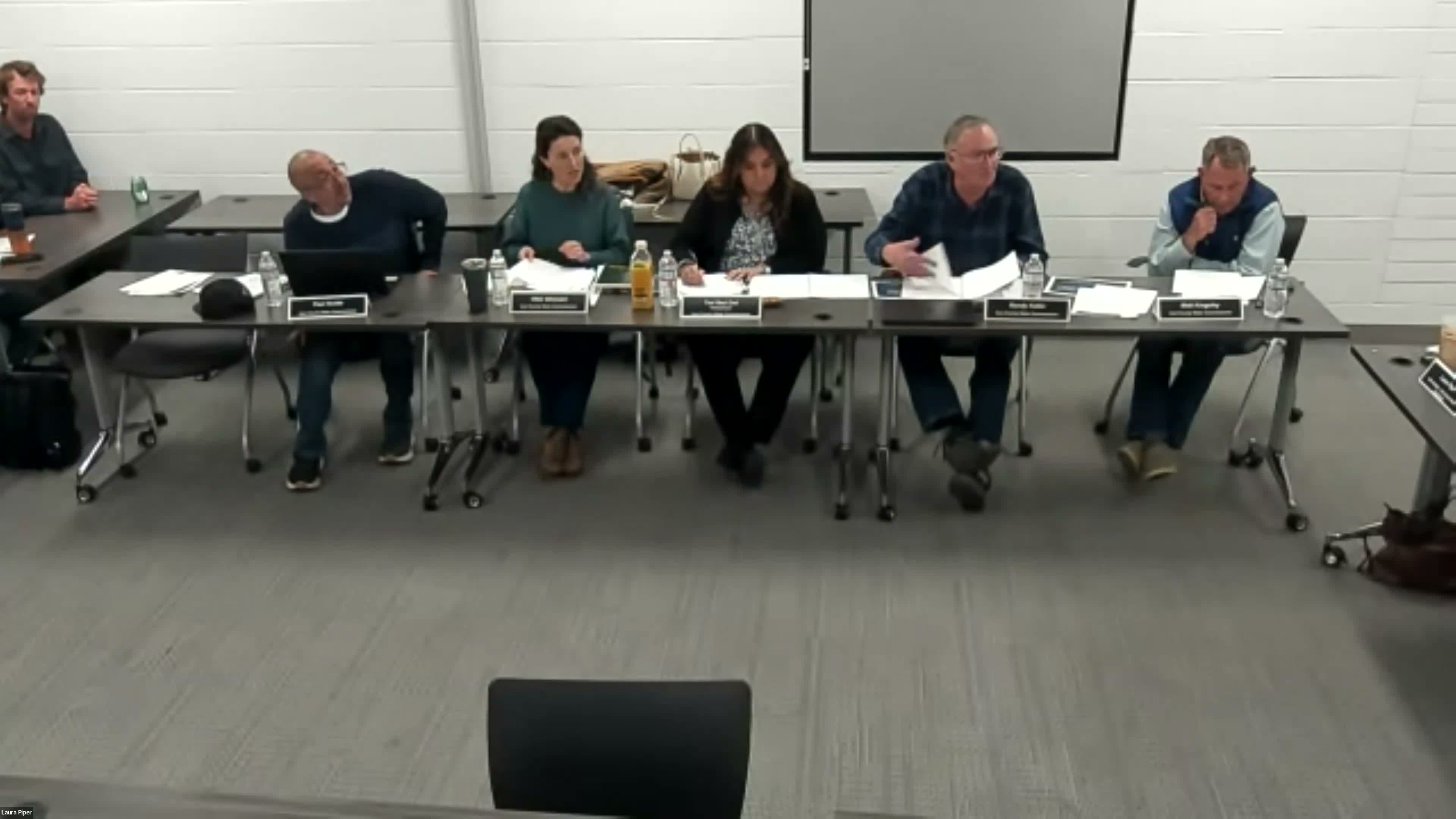
The Inyo County Water Commission voted to recommend that the Board of Supervisors certify the Final Environmental Impact Report (EIR) for the Owens River Water Trail and adopt the mitigation and monitoring plan that accompanies it.
Staff presented the project as a 6.3-mile, accessible water trail with two ADA-compliant launches, signage, safety markers, restrooms and a mitigation program to reduce impacts to biological and cultural resources. Larry, a county project lead, told commissioners the final EIR compiles the draft, comments and responses and that "we feel confident [it] discloses all the significant impacts, mitigates them to less than significant, and that our mitigation monitoring plan is really tight." He described plans for pre-construction surveys, tribal monitors and an on-site archaeologist to oversee any inadvertent discoveries.
Commissioners and staff discussed technical concerns raised in Los Angeles Department of Water and Power (LADWP) comments, including potential localized water-surface declines after removing vegetation obstructions. Larry said additional hydrology review found a conservative estimate of a 1-to-3-foot surface elevation change in places and that the project will include triggers and monitoring to detect effects on sensitive resources.
Public commenters raised both support and concerns. Heidi Nader, a Lone Pine resident, warned that increased visitation could damage culturally sensitive areas and local landscapes, noting existing pressure from nearby recreation sites. Other speakers, including Randy Short and representatives of the Owens Valley Committee, emphasized the trail’s potential to improve access for veterans and to contribute to river restoration if mitigation and monitoring are effective.
Commissioner Matt Kingston moved that the commission recommend certification of the EIR and adoption of mitigation measures; the motion was seconded and approved by voice vote. The commission’s endorsement will be forwarded to the Board of Supervisors, which will hold a hearing and take public comment before deciding whether to certify the EIR and, separately, whether to approve the project.
The staff explained the recommendation is time-sensitive for grant applications: some implementation grants require evidence of progress or a certified environmental document. Staff said they will continue to work with grantors and LADWP and will include additional hydrologic monitoring and tribal consultation in implementation steps.
Next steps: the Board of Supervisors will schedule a hearing on certification; if certified, project approvals and any lease agreements with LADWP would follow as separate actions.