
House extends pet‑food fee program amid litigation and debate over impacts
Get AI-powered insights, summaries, and transcripts
Subscribe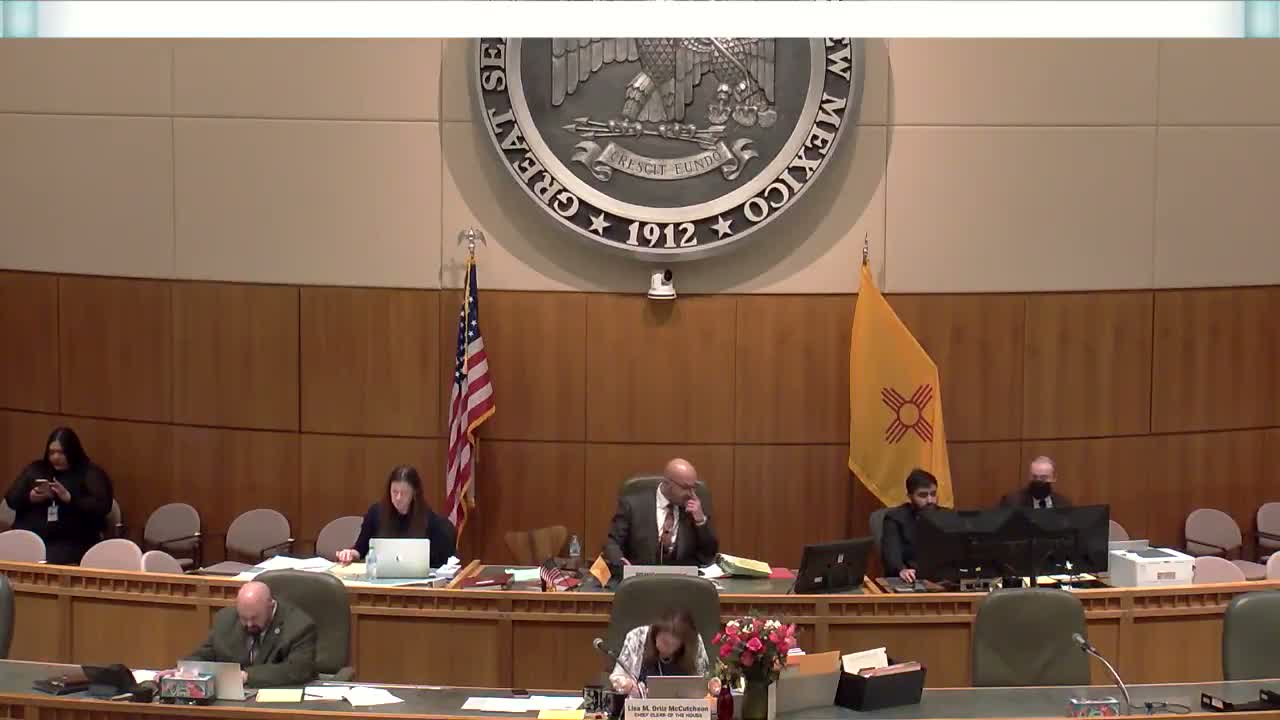
Summary
Lawmakers voted to remove the sunset on the state pet‑food fee that funds a spay/neuter grant program, preserving roughly $5 million collected so far and the program’s grantmaking. Supporters said the program funded about 5,000 surgeries in its first grant round; opponents warned of ongoing litigation and argued the fee functions like a tax with market effects.
The New Mexico House voted to remove the sunset on the pet‑food fee that funds a spay‑and‑neuter assistance program, approving Senate Bill 38 after several hours of debate. The vote on final passage was 53 in favor and 11 opposed.
Supporters said the program has produced measurable funding for rural and low‑income areas. The sponsor told the House that the program has collected roughly $5 million to date and that a first grant round disbursed about $1 million in October 2025, supporting roughly 5,000 to 5,500 spay/neuter surgeries. "This costs about a dollar, per person, per pet owner to put dollars into this fund," the sponsor said on the floor, emphasizing the grant program’s reach into rural counties.
Opponents raised concerns about an active lawsuit challenging the statute. One member argued the policy had led to higher market prices for spay/neuter services and called the program an unwise intervention: "From the time that we passed the last bill to today, spay and neuter has doubled and tripled in price," an opponent said, asserting the program distorted local markets. The federal court remanded the challenge to state court; proponents said the state court is the proper venue and that continuing the program is a policy choice the legislature must make.
Floor debate addressed eligibility rules for grants, distribution between rural and urban counties, and administrative set‑up under the Board of Veterinary Medicine and the animal sheltering committee. Lawmakers also discussed whether a sunset extension or repeal would affect ongoing litigation; sponsors argued that letting the program lapse would halt the newest grant cycles and leave many organizations without planned funding.
The House vote keeps the fee‑funded subaccount active for future grant rounds. Members said follow‑up work will include monitoring court developments and the veterinary board’s implementation rules.