Get Full Government Meeting Transcripts, Videos, & Alerts Forever!
Get email alerts on the Fuels Management topic
No spam. Unsubscribe anytime.
Field briefing highlights fuels treatments, Deer Springs Fire recovery and interagency partnerships
Summary
Field presenters described fuels-management tools and landscape treatments used to reduce wildfire risk, cited the 2024 Deer Springs Fire as a costly example, and emphasized interagency, tribal and local partnerships to scale restoration work.
Speaker 1, a presenter, opened the field briefing by defining fuels management as managing vegetation on the landscape "to reduce the risk and the severity of wildfires." Speaker 2 said the aim is to "change outcomes" so that when fires occur "people, places or things are not impacted negatively."
The presenters described a range of treatments used to reduce wildfire severity — including mastication, timber sales, herbicide and grazing — and explained when mechanical work is favored over prescribed burns. Speaker 3 said some Bureau of Land Management areas cannot use prescribed fire and rely on mechanical treatments instead.
Speakers framed the work as restoring natural disturbance regimes after a long period of aggressive fire suppression. Speaker 1 said suppression has produced an "unnatural buildup of fuels" that can make fires more intense and damage soils and vegetation, complicating post-fire recovery. In the South Canyon project, begun in 2010, Speaker 4 said crews used two to three treatment entries — mastication, seeding and lop-and-scatter — to convert closed stands of pinyon and juniper back toward sagebrush conditions.
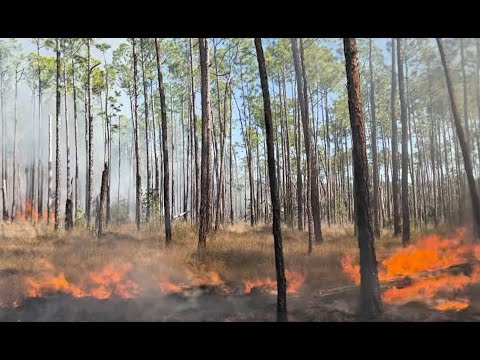
Speaker 9 provided an on-site example in the Deer Springs Fire, noting the fire burned in 2024 and that "80% of it" burned in a 12-hour operational shift. He said the incident required emergency stabilization and rehabilitation and was more expensive than the fuels treatments described.
Presenters emphasized that treatments create safer locations for suppression operations and improve habitat. Speaker 10 and Speaker 8 said fuel breaks provide places where crews and aircraft can safely engage fire while habitat is being improved.
Economic and community benefits were raised repeatedly. Speaker 2 said proactive mitigation spending is small compared with suppression and rehabilitation costs. Speaker 11, speaking as a rancher, called the treatments "a big game changer" for fuels, water, grazing and wildlife and credited them with improving rangeland productivity. Speaker 12 said the fuels program "should be one of the biggest priorities the BLM has" for land management.
Speakers also described partnerships as central to scaling work: Speaker 6 said the Bureau of Land Management and the State of Utah have teamed up on mechanical work across public and private lands; Speaker 4 credited the Utah Watershed Restoration Initiative, sportsmen's groups, other state agencies and local stakeholders with enabling work at a landscape scale. Speaker 15 said staff consult with over 23 tribal nations to incorporate traditional knowledge into treatments.
The briefing closed with a common theme of collaboration: several speakers said when partners share a common goal and vision the projects are more successful. The presenters left next steps as operational and partnership-focused rather than as formal policy actions.