Get Full Government Meeting Transcripts, Videos, & Alerts Forever!
Get email alerts on the Mental Health Parenting topic
No spam. Unsubscribe anytime.
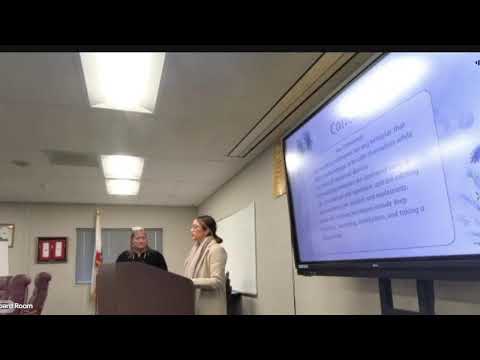
Parents at Snowline Joint Unified workshop learn practical self‑soothing techniques for children
Summary
At a Snowline Joint Unified parent workshop, presenters defined self‑soothing, warned that some habitual coping behaviors can be harmful, and demonstrated quick, low‑cost calming strategies—breathing, grounding, cold‑water stimulation—and parental controls to reduce screen time.
At a parent workshop hosted by Snowline Joint Unified, presenters described self‑soothing as the set of actions children and teens use to calm themselves during emotional distress and shared practical strategies parents can use at home.
The workshop opened with a reminder to treat the meeting as a safe space, then turned to defining self‑soothing. “So self soothing is defined as an individual’s efforts to … calm themselves while in the state of emotional distress,” said Speaker 2, the session’s presenter, explaining that self‑soothing behaviors are common and often develop early in life.
Why it matters: presenters warned that while many self‑soothing habits—like hair twirling or thumb sucking—are benign, others can be harmful, including cutting, substance use, or repetitive behaviors that disrupt daily functioning. Speaker 2 said healthy techniques can reduce impulsive urges, lower anxiety, improve concentration and increase a child’s tolerance for distress.
Presenters unpacked the physiology behind the behaviors. Speaker 2 described the autonomic nervous system’s parasympathetic (rest) and sympathetic (fight‑or‑flight) branches and said chronic stress can keep a child’s body stuck in a heightened state. To reverse that pattern, the presenters recommended simple, evidence‑compatible practices that families can try without specialist equipment.
Practical techniques offered included: - Brief breathing and grounding exercises: parents and attendees practiced one‑minute guided breathing and grounding that can be done at home or school to interrupt escalating emotions. - Cold‑water stimulation: Speaker 2 recommended brief cold‑water exposure (splashing the face or holding an ice cube, rotating it palm‑to‑palm) as a way to stimulate the vagus nerve and trigger a physiological relaxation response. - Physical activity: short walks or backyard circuits were recommended as accessible ways to release excess energy and support regulation. - Positive self‑talk: Speaker 3 described using affirmations before public speaking and encouraged caregivers to teach children simple, reassuring phrases.
Speakers also addressed the role of screens and social media. “Taking a break from these devices can lead to better sleep, improved mood, less anxiety and emotional dysregulation,” Speaker 2 said, urging parents to set realistic boundaries such as limiting access during school hours and bedtime. The presenter referenced online advocates who recommend locking apps during school and bedtime and suggested device controls and carrier settings can assist families.
Several parents shared practical measures they use, including scheduling Wi‑Fi shutoffs, having children charge phones in a common area overnight, and using built‑in parental controls (noting iPhone features and third‑party apps) to limit screen time and restrict apps during set hours. Speaker 2 referred to a blogger, Gary Turk, who promotes blocking apps to help restore childhood routines.
Resources and next steps: presenters provided printed handouts and local resource flyers on the back table, described as low‑cost or free, and invited attendees to take them home. An attendee asked for the name of a longer YouTube video mentioned during the session; Speaker 2 said they would check the title and share it. The meeting ended with thanks to attendees and an invitation for further questions.
The workshop combined personal examples from parents with practical, low‑cost strategies staff said families can try immediately; printed materials and follow‑up details were made available at the session.