
Elizabeth School District outlines new Minga hall-pass system; parents and board raise health, privacy and fairness concerns
Get AI-powered insights, summaries, and transcripts
Subscribe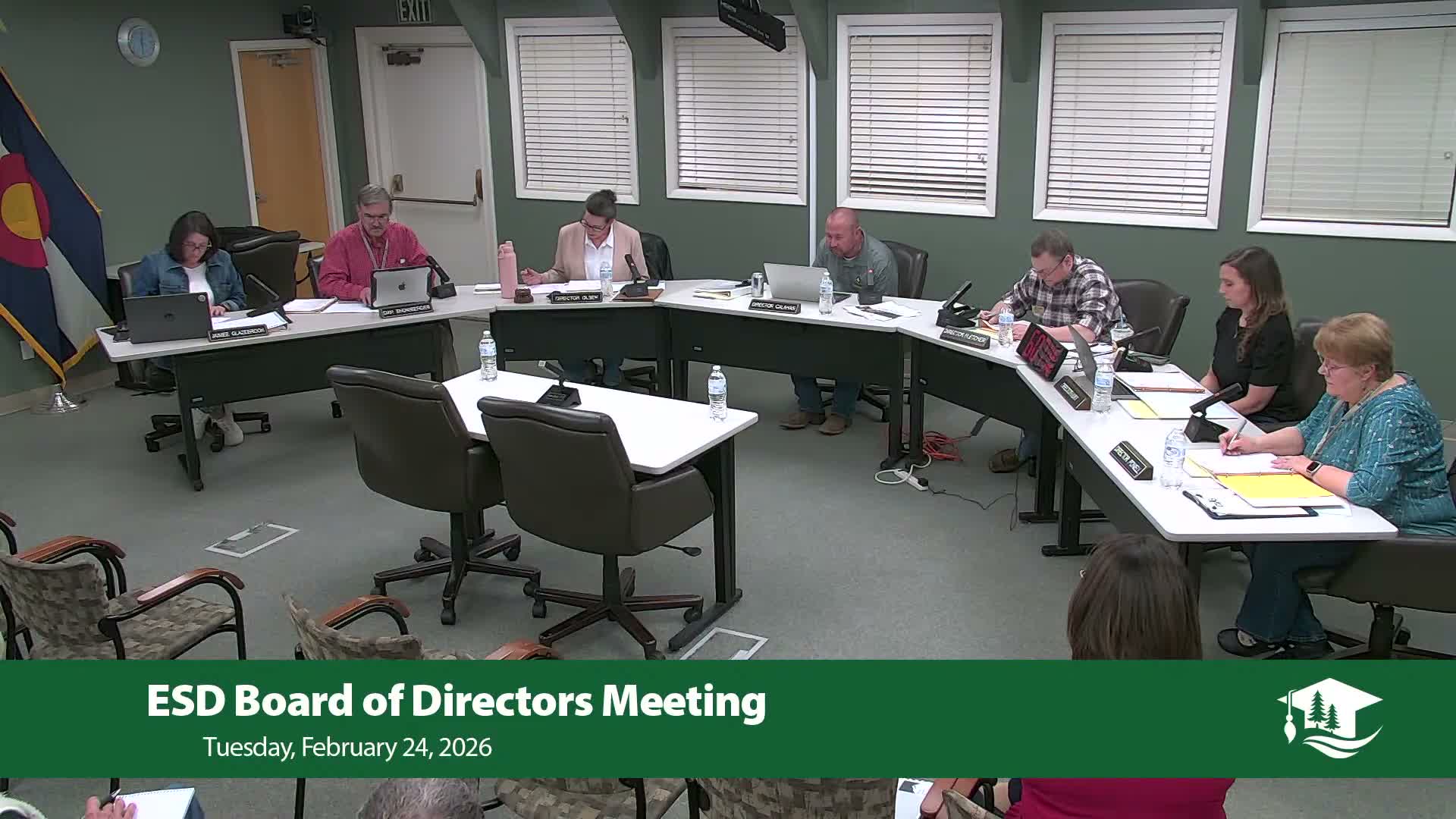
Summary
Assistant Principal Tony Robinson and staff demonstrated Minga, a digital hall-pass and tardy-management system intended to reduce instructional loss and support security. Board members and at least one parent raised concerns about medical exceptions, parental opt-outs, and whether limits (three passes per day) unfairly penalize students.
Assistant Principal Tony Robinson presented the Minga hall-pass and tardy-management system to the Elizabeth School District board, saying the kiosk-and-dashboard setup replaces paper sign-outs and lets administrators and security see where students sign out, where they intend to go, and how long they are out of class. Robinson said the system removes tracking burdens from teachers and can limit both the number of passes per day and the maximum time per pass. He said the district secured a discounted implementation and cited an approximate procurement cost of $3,500.
Tyler, a staff member who spoke about security implications, said Minga provides “intel” that helps locate students during emergencies such as a fire or lockdown and can flag large groups or extended restroom occupancy. He told the board the system can integrate reports from building sensors and supports quicker, more informed responses from school staff and first responders.
Board members questioned how precise the tracking is and whether the system records intended destinations rather than a live GPS location; presenters confirmed the dashboard shows the student’s intended destination from kiosks in classrooms, and staff emphasized teachers retain professional judgment for emergency requests. Robinson and others described practical safeguards: lanyard passes to increase visibility, a red/green timer on dashboards when a pass exceeds a preset limit, and the ability for administrators to place repeat abusers on a “no hall-pass” list.
Several directors cautioned against blanket limits. One director said a three-per-day cap risks “punishing the whole group for the behavior of a few,” and raised students’ medical needs. Presenters acknowledged those concerns, said emergency exceptions have been communicated to teachers, and invited board members to view the system. They also said the district is collecting usage data to adjust settings (for example, increasing the simultaneous-pass limit for a bathroom pod if the district consistently hits the maximum).
During public comment, Michelle Thompson said she had formally asked to opt her child out of Minga and alleged her requests were denied or ignored; she cited health and dignity concerns and referenced research she said links restricted restroom access with urinary and gastrointestinal problems. Robinson told the board he had personally spoken with the parent and believed the conversation resolved the complaint but acknowledged staff should review opt-out procedures. The transcript records that the district legal representative, Brad Miller, was said by the parent to have informed her that removal from Minga would not be allowed; the district did not provide a separate legal statement in the meeting.
Robinson and district staff described a short pilot period, said they have set short caps (example cited: 5-minute per-pass timer during class), and emphasized the system’s data will inform whether to increase pod or per-student limits. They encouraged the board to delay judgment until staff produce usage reports and said administrators will return with recommendations, adjustments, and more detailed opt-out guidance if needed.
The board did not take formal action to modify Minga at this meeting; presenters were asked to return with data and proposed policy adjustments.