Get Full Government Meeting Transcripts, Videos, & Alerts Forever!
Get email alerts on the Housing topic
No spam. Unsubscribe anytime.
Sen. Tim Scott Says Bankings Committee Cleared 'Road to Housing Act' 24-0, Ties Grants to Local Housing Production
Summary
Sen. Tim Scott said the Senate Banking, Housing, and Urban Affairs Committee unanimously advanced the Road to Housing Act and that the bill would tie federal grant dollars to local housing increases — promising incentives for jurisdictions that boost supply and penalties for those that do not.
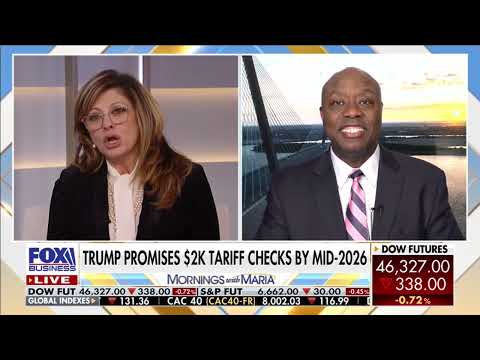
Sen. Tim Scott, chairman of the Senate Committee on Banking, Housing, and Urban Affairs, told a television interviewer that the committee passed the Road to Housing Act unanimously and that the measure would use federal grant incentives to push local governments to increase housing supply.
Scott said the legislation "creates more carrots," describing a provision he summarized as offering more grant dollars to jurisdictions that "increase their housing by 345%" and warning that jurisdictions that do not meet the measure's targets would "lose some of their grant dollars." He also said the committee approved the measure "24 to 0." Those descriptions and figures were presented by Scott in the interview and were not accompanied in the discussion by statutory citations or an explanation of how the 345% figure would be measured or applied.
Why it matters: Scott framed the bill as part of a broader affordability push, saying it would help lower housing prices and reduce the average age of a first-time homebuyer, which he said today is about 40 years old. He attributed expected improvements to the bill and to the administration's focus on affordability, and he said supporters expect the measure to reach the Senate floor early next year for consideration.
What the interview did not establish: The transcript records Scott's account of committee passage and the incentives he described, but the interview did not include the bill text, the committee's report language, or a timetable for floor scheduling that was confirmed by committee staff. The interview also did not specify how the 345% increase would be calculated (baseline year, unit types, or time frame were not specified) or whether the grant penalties he described are in the bill as enacted language or an explanatory proposal.
Next steps: Scott said he expects the legislation to proceed from committee to floor consideration, and he linked enactment to the administration's affordability agenda. The committee tally Scott reported was unanimous in his account; official committee records would confirm the formal vote and the bill's next procedural status.