Lifetime Citizen Portal Access — AI Briefings, Alerts & Unlimited Follows
Witnesses tell commission chaplaincy is essential but under strain; recommend training, staffing and legal clarity
Loading...
Summary
Former Army chaplains and religious advocates told a commission that military chaplains remain central to service members’ religious exercise but face diminished religious identity, staffing shortages and unclear policies; witnesses urged RFRA enforcement, commander training and more chaplains and support staff.
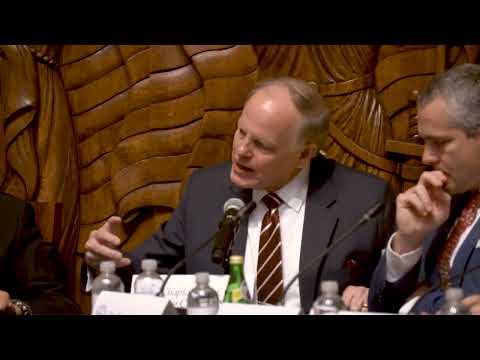
Major General Carver, a former Army chief of chaplains, and other witnesses told the commission that U.S. military chaplains remain essential to service members’ religious exercise but are increasingly marginalized in practice. Carver, who said he served 38 years including 30 as a chaplain, argued the chaplaincy’s religious identity is being diluted and that commanders and policymakers must preserve chaplains’ pastoral role.
Chaplaincy proponents framed their case around constitutional and operational claims. Carver cited Title 10 to note the government appoints and pays chaplains; Amy Vitale, government affairs counsel at the Becket Fund for Religious Liberty, added that chaplains fulfill a constitutional obligation to provide for religious exercise and are distinctively religious because they are endorsed by faith groups. “When chaplains perform their duties, they are doing so as pastors, priests, rabbis, imams of their own faith groups,” Vitale said.
Witnesses said the practical consequences of diminished chaplain authority include reduced advocacy for accommodations (on grooming, religious apparel, dietary and medical exemptions) and fewer chaplains or support staff to ensure sacramental or pastoral access in remote or deployed settings. Monsignor Anthony Frontera of the Archdiocese for the Military Services said some sacraments — including the Eucharist and confession — are non‑substitutable for Catholic service members and that shortages of Catholic priests in the chaplaincy have created coverage gaps. “When Catholic chaplains are in short supply or overly restricted in their movements, Catholics’ service members may effectively lose access to their faith,” Frontera said.
Witnesses recommended concrete steps for the commission’s report to the president: reaffirm the chaplaincy’s religious role; ensure full application and consistent enforcement of the Religious Freedom Restoration Act (RFRA) in military settings; require training on religious‑liberty protections for commanders and JAGs; fund and prioritize chaplain recruitment and contract clergy to address shortages; and integrate religious‑liberty impact assessments into operational planning. Vitale urged executive and legislative leaders to protect RFRA’s application to the military and to integrate chaplains into decisionmaking as advisors to command.
The commission heard repeated calls to respect chaplains’ conscience protections and avoid administrative rules that would instruct chaplains how to pray or preach. Carver warned that telling chaplains how to pray risks both establishing and restricting religion. Witnesses said reforms should balance mission requirements with consistent protections for free exercise.
The hearing concluded with the chair asking witnesses for recommendations for the commission’s forthcoming report to the president; the commission will incorporate these testimonies and forward its findings to the executive branch.