Get AI Briefings, Transcripts & Alerts on Local & National Government Meetings — Forever.
Baldwin schools outline $250 million, multi‑year capital plan as budget gap remains
Loading...
Summary
District presenters outlined a 5–7 year capital plan that aims to invest about $250 million in facilities and technology while warning that the preliminary 2026–27 budget is not yet balanced and depends on state aid, grant awards and reserve use.
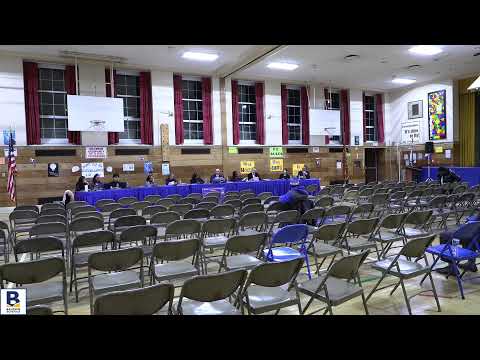
The Baldwin Union Free School District on Feb. 11 presented a multi‑year capital and budget outlook that calls for roughly $250,000,000 in infrastructure investment over the next five to seven years while stressing the district has not yet balanced next year’s operating budget.
At a public meeting, Dr. Robinson, who led the capital presentation, said the district’s approach combines general‑fund appropriations, targeted capital‑reserve spending and grant applications. “Our intent is to invest about $250,000,000 into our infrastructure, our buildings in terms of expansions and improvements,” he said, adding the district is trying to minimize interruptions to students as work proceeds.
Why it matters: the proposal maps major bond and reserve projects — athletic facilities, kitchen additions, roof and bathroom renovations, fire‑alarm upgrades and a new performing‑arts center — to a phased construction schedule. Many projects are at bid or near bid opening; Dr. Robinson said the phase‑1 athletic center bid is out and some awards are expected as early as March.
The presentation included status updates on recently completed and near‑complete work: a new high‑school wellness center, partial roof replacements, a districtwide fire‑alarm upgrade and bathroom renovations. Dr. Robinson also described a technology reserve established after COVID for device replacement cycles and said the reserve lets the district request community approval to spend existing funds “without any additional increase in taxes.”
Budget pressure: the district’s preliminary operating outlook shows a tentative 5.12% increase, and officials said the budget is not balanced pending final state‑aid figures. Dr. Robinson pointed to volatile cost drivers — a reported 30% increase in transportation contract costs last year, continuing double‑digit increases in BOCES service components and the potentially six‑figure cost of some special‑education placements — as factors that complicate short‑ and long‑range planning.
The district also cited improved state fiscal indicators but cautioned they remain uncertain. Dr. Robinson summarized a state comptroller fiscal‑stress assessment that left the district with “no designation,” which he described as a positive sign for Baldwin’s financial position.
Board action and next steps: the board was advised that some bond projects are split into four phases (phase 1: athletic center; phase 2: 600 wing; phase 3: CTE and performing arts; phase 4: 300 wing remodel). Officials said work should begin as early as this summer for some items and that the budget schedule requires the board and community to monitor state output reports before finalizing any permanent increases or program additions.
Remaining uncertainty: Dr. Robinson warned of supply‑chain and contractor issues that have delayed elements such as the Plaza elementary kitchen sewer connection. He said electrical work must be finished before new kitchen equipment can be energized and that project timelines will continue to be adjusted as bids and permits are finalized.
The board plans additional budget presentations and will publish materials to the district website. A May budget vote is on the calendar; district officials said they will continue community outreach and post‑installation site visits when it is safe to do so.