Administration credits Venezuelan oil inflows for easing U.S. fuel costs; officials cite refinery fit
Get AI-powered insights, summaries, and transcripts
SubscribeSummary
The Energy Secretary and the president’s State of the Union cited new Venezuelan oil shipments and higher U.S. production as factors that could lower diesel, jet and gasoline prices; officials framed sanctions enforcement and refinery configuration as key to the change.
President Trump, in a State of the Union excerpt played at the start of the interview, said U.S. oil production is “up by more than 600,000 barrels a day” and that the country has received “more than 80,000,000 barrels of oil” from Venezuela. "American natural gas production is at an all time high," he added, repeating the administration's long-standing slogan, "drill, baby, drill."
Energy Secretary Christopher Wright told the program that renewed enforcement of sanctions and recent changes in Venezuelan policy led the country to ramp up production and begin sending crude to U.S. refineries. "When most of the American refineries were built in the sixties and seventies, they were tooled to refine Venezuelan oil," Wright said, arguing that those flows will "push down diesel prices, jet fuel prices, gasoline prices" for Americans.
Wright linked the shift to U.S. policy choices: he said the administration had tightened enforcement after a period of sanctions relief and described political changes in Venezuela—such as releasing political prisoners and steps toward press freedom—as part of the reason for higher output. He presented the changes as a foreign-policy and economic win for the hemisphere but did not provide independent data during the interview to verify the specific volumes cited on air.
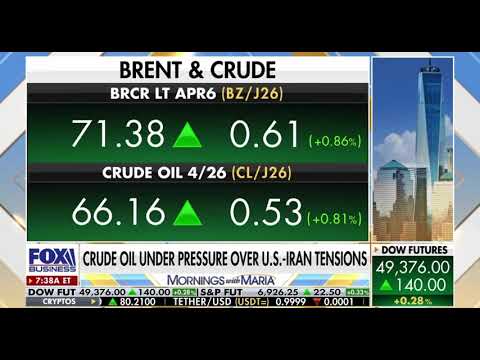
The host noted oil was trading near seven-month highs that morning and cited a price of "$66.17" ahead of nuclear negotiations in Geneva, asking whether Iran-related risks could offset the supply gains. Wright said geopolitical tensions in the Middle East can push prices higher but characterized current prices as lower than averages under the previous administration.
What the interview shows: administration officials present Venezuelan shipments and higher U.S. output as levers that can reduce consumer fuel prices, emphasizing refinery compatibility. The claims aired in the program were assertions by the president’s office and the Energy Secretary; the interview did not include third-party verification of the reported shipment totals or production increases.
The segment closed without a formal policy action announced on air; the administration framed the developments as part of a broader strategy to increase domestic energy availability and reduce foreign revenue to adversaries.