Get AI Briefings, Transcripts & Alerts on Local & National Government Meetings — Forever.
Medical experts urge coverage for infant cranial helmets as insurers caution about mandates
Loading...
Summary
LB805 would require coverage of medically necessary cranial remolding helmets for infants. Pediatric surgeons and orthotists described evidence of benefit in moderate-to-severe cases and an optimal treatment window; insurers and trade groups said many plans already cover helmets when medically necessary and warned about mandate complexity and costs.
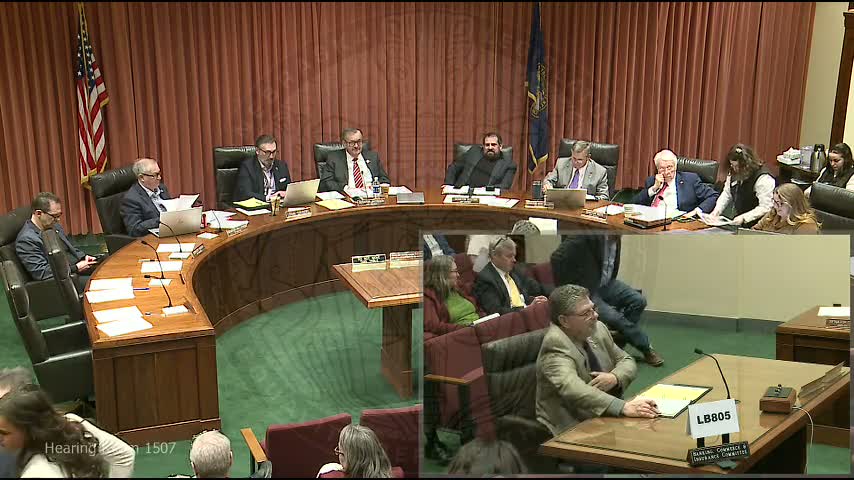
Senator Dan Lonowski introduced LB805 to require that insurance plans cover medically necessary cranial remolding orthoses (commonly called cranial helmets) for infants with moderate-to-severe plagiocephaly or craniosynostosis. Supporters said the intervention is time-sensitive, typically most effective between four and 12 months of age, and can prevent permanent asymmetry and associated psychosocial or orthodontic consequences.
Rakesh Srivastava, a board-certified orthotist, told the committee helmets should be limited to objectively measured moderate-to-severe cases after at least eight weeks of unsuccessful repositioning therapy. He estimated the full course of helmet therapy costs about $2,500 to $3,500 and typically lasts three to four months. Dr. James Vargo, division chief of pediatric craniofacial surgery at Children's Nebraska, said the hospital sees hundreds of head-shape clinic patients annually and that families often face out-of-pocket bills averaging about $2,400 when insurers deem a helmet cosmetic.
Insurer witnesses and trade groups opposed LB805 as a fixed state mandate while emphasizing coverage exists for medically necessary devices. Robert Bell of the Nebraska Insurance Federation said infant cranial helmets generally fall under durable medical equipment coverage in many plans and noted existing dispute-resolution avenues, including external review through the Department of Insurance. Jeremiah Blakey of Blue Cross said his company's plans have recognized helmets and support their use when medically indicated, but he cautioned that a broad mandate could have unintended administrative and market consequences.
Proponents urged narrowly defined medical-necessity criteria and suggested guardrails in the bill to limit overutilization. The committee closed the LB805 hearing after testimony from clinicians, parents and insurers and will consider any amendments and fiscal implications in subsequent work.