Trumbull County commissioners table 75%/10-year enterprise-zone request for Charles Manufacturing
Loading...
Summary
A request from Charles Manufacturing for a 75% property tax abatement over 10 years to support a modest expansion was tabled after commissioners raised concerns about precedent and fairness; Warren’s mayor and county planning staff urged approval and provided legal context.
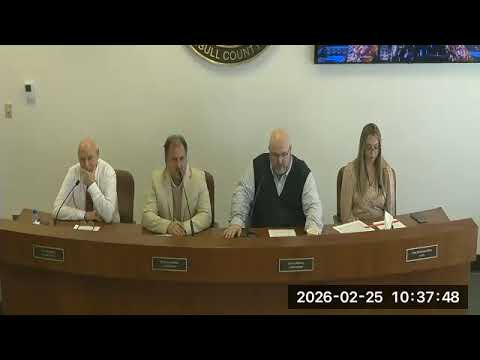
Trumbull County commissioners on a routine agenda item on enterprise zones agreed to table a request from Charles Manufacturing for further study after a split in perspectives among commissioners.
The company asked the board to approve an enterprise-zone property tax abatement of 75% for 10 years to support a small expansion — described in staff materials as roughly a quarter million-dollar investment that would add about 1,350 square feet and create a handful of jobs. County planning staff said the project met the Revised Code definition of an expansion and therefore qualified for enterprise-zone tools that locally affected governments may negotiate.
Doug Franklin, mayor of the city of Warren, urged the commissioners to support the application, saying local governments should use every available economic-development tool to help existing employers grow. “We want to always be sending a message of being open for business and making sure that we’re using every single tool in our economic development toolbox to assist these businesses,” Franklin said. He noted the Warren City Council had approved the request and offered to have city staff and company representatives appear at a follow-up meeting to answer questions.
County planning staffer Nick Coggins told commissioners the enterprise-zone legislation passed in 1994 delegated negotiating authority to locally affected communities and that state guidelines permit incorporated areas to offer up to 75% for 10 years in some circumstances. Coggins offered to provide the original enterprise-zone certifying legislation, Ohio Revised Code citations, and detailed spreadsheets showing estimated tax abatement impacts on schools, the city, the county and special districts.
Several commissioners expressed hesitation, saying that a 75% abatement for a small expansion and a small number of new jobs risks setting a precedent that could lead to inconsistent decisions in the future. One commissioner urged the board to develop a rubric or standards to determine when to award larger abatements and suggested bringing interested parties together at a workshop for more information before making a final decision.
After discussion, a motion to table the item and revisit it at a workshop next week passed unanimously. The board recorded votes in favor by commissioners Malloy, Hernandez and Bernard, and the county staff said the delay would not harm the applicant’s timeline.
What’s next: Commissioners asked planning staff to compile the enterprise-zone legislation, impact spreadsheets and additional background materials ahead of the proposed workshop so the commission and local stakeholders can weigh the fiscal impacts and precedent concerns before a final vote.