
State to begin phased rollout of electronic attendance for CCAP providers, 90‑day notice promised
Get AI-powered insights, summaries, and transcripts
Subscribe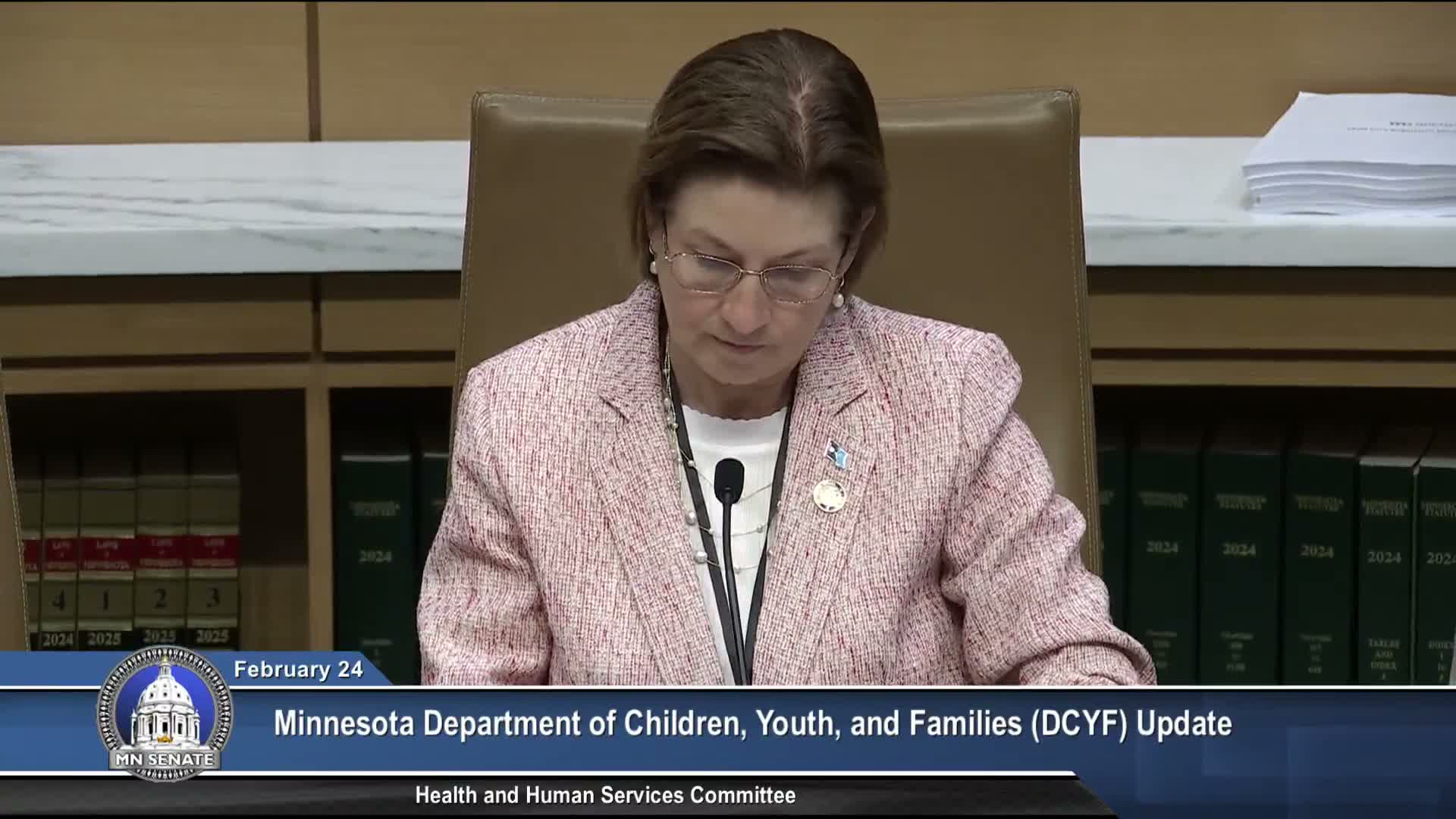
Summary
DCYF told legislators it will begin rolling out an electronic attendance record system for childcare providers receiving CCAP payments in June, with a 90‑day notice period and phased implementation; details about 'real‑time' frequency remain under vendor review.
The Department of Children, Youth and Families told the Senate committee it is preparing to implement electronic attendance recordkeeping for providers who accept Child Care Assistance Program (CCAP) payments.
"We have committed to providing to giving providers a 90 day notice before they must begin keeping electronic attendance records with the first provider rollout to occur in June," Commissioner Tiki Brown said. The department said centralized provider registration was rolled out last April and the final step — funding and statutory authority to implement electronic attendance — was included in the governor's 2025 budget and passed by the legislature.
DCYF said a software vendor has been engaged to implement the system and the agency is preparing a rollout plan expected to be finalized within a month. Brown emphasized a phased approach: not all providers will be required to use electronic attendance immediately so the department can resolve issues on a smaller scale before full implementation.
Committee members asked operational questions about how "real time" the data feed will be — hourly, daily or weekly — and whether the attendance system will automatically surface anomalies for program integrity checks. Commissioner Brown said vendor work is still assessing the mechanism and frequency and the department will provide more details when available. Inspector General Randy Keyes described work already underway to consolidate data: his office has created a Databricks data lake to combine licensing, billing and other records so electronic attendance can be matched and analyzed for anomalies.
Why this matters: DCYF said the electronic records will allow near‑real‑time access to attendance data and make it easier for the inspector general and data teams to match attendance against billing and spot inconsistencies that can indicate errors or fraud.
Next steps: DCYF will finalize the rollout plan, notify providers per the 90‑day commitment, and provide timing details about data frequency once the vendor completes its assessment.