Get AI Briefings, Transcripts & Alerts on Local & National Government Meetings — Forever.
Committee opens debate on municipal recall bill, sends sponsors and clerks to a working group
Loading...
Summary
House Bill 22 would create a statewide recall procedure for municipal officers; testimony split over a 40% signature threshold, county clerks flagged election‑code conflicts, and the committee asked stakeholders to meet to draft harmonizing amendments.
Representative Heiner presented House Bill 22 to create a recall process for municipal officers beyond the old commission‑form statute, citing problems in small towns that currently lack a workable recall mechanism. He said the engrossed bill calls for petition signatures equal to 40% of registered electors in the relevant electorate, verification by county clerks, and a recall election held 30–40 days after verification.
The proposal prompted sharp debate about the appropriate signature threshold. Heiner said municipal associations requested 40% to avoid retaliatory recalls; the Secretary of State, Chuck Gray, supported a recall mechanism but recommended lowering the threshold to 25% to make recall achievable and administrable. "I think we should lower the 40% threshold to 25%," Gray said, arguing the office could help county clerks with administration.
County clerks, represented by Mary Langford and Laramie County Clerk Deborah Lee, raised major administrative concerns: verifying petitions requires access to voter‑registration data, the 30–40 day window conflicts with publication and absentee‑ballot timelines in the election code, and petition form/format and circulator verification language need harmonization. Langford recommended interim work or a coordinated set of amendments to fold election‑code petition language into the bill.
Local elected officials were split: small‑town mayors warned a low threshold could facilitate politically motivated recalls and highlighted cost burdens for small municipalities; other witnesses from Evansville recounted a near‑miss recall petition under existing law and urged restoring a 25% threshold so recall remains feasible in practice.
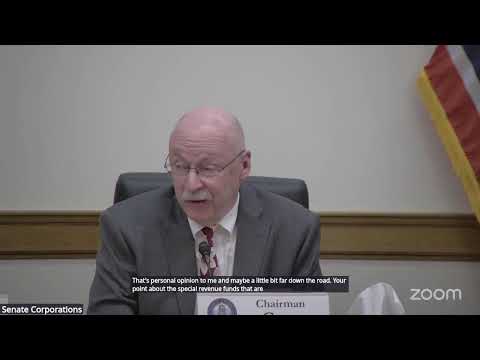
Rather than moving the bill out of committee immediately, senators and stakeholders agreed to convene a working group (sponsor, WAM, county clerks, secretary of state, interested committee members and house committee members) to draft harmonized amendments and return to the committee on Friday, if possible.
No final committee vote on HB22 occurred during this hearing; clerks and the sponsor will continue consultations to resolve timing, verification and threshold language before further action.