Get Full Government Meeting Transcripts, Videos, & Alerts Forever!
Get email alerts on the Tax Reorganization topic
No spam. Unsubscribe anytime.
House Revenue Committee approves bill to consolidate sales and use tax statutes
Summary
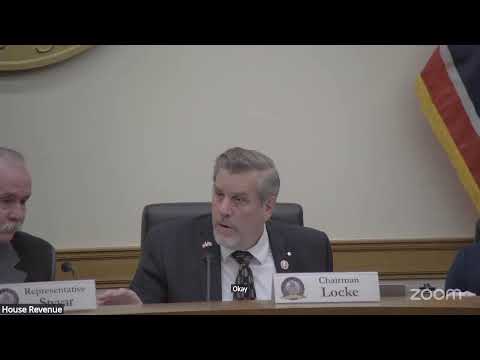
The House Revenue Committee voted to advance Senate File 79, which reorganizes state sales and use tax statutes into a single chapter. Department of Revenue officials said the change is structural only and "nothing changes" operationally; the committee passed the bill by roll call.
The House Revenue Committee advanced Senate File 79 on a 9-0 recorded vote after hearing department officials say the measure only reorganizes existing law.
Brett Fanning, director of the Wyoming Department of Revenue, told the committee the bill "combines the sales and use tax statutes into 1 chapter" and that the intent—specified in the bill's text—is that "nothing changes" in day-to-day operations. Fanning said the draft moves corresponding language from the use tax sections into a consolidated sales tax chapter to avoid duplication and confusion for LSO staff, department staff, vendors and taxpayers.
Representative Riggins asked why the change was necessary. Fanning replied it grew out of interim work and prior drafting errors that left related provisions split across different code locations; consolidating statutes should prevent future duplication and shorten future bills that amend sales-and-use provisions. He said the bill includes repeal language and corresponding transfers of text but does not alter substance.
There was no public comment. The committee moved and seconded the bill and conducted a roll call vote; the clerk announced the tally as nine ayes and the bill passed out of committee.
The department stood for questions and confirmed there were no substantive changes to taxpayer obligations or the department's processes. The next procedural step for the bill is floor consideration by the originating body.