Get Full Government Meeting Transcripts, Videos, & Alerts Forever!
Get email alerts on the Diabetes Programs topic
No spam. Unsubscribe anytime.
Speakers say long-running SDPI funding helped reduce obesity and expand diabetes care
Summary
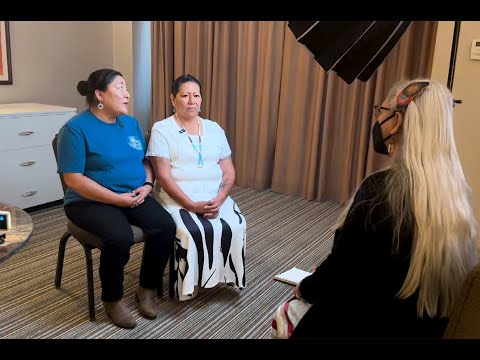
Speakers at a community health presentation credited nearly two decades of Special Diabetes Program (SDPI) support with lowering morbid obesity, expanding diabetes education and screenings, buying continuous glucose monitors for insulin users, and planning a large November health fair.
Speakers at a community health presentation described nearly 20 years of work under the Special Diabetes Program (SDPI), saying the grant has helped reduce rates of morbid obesity and expand diabetes prevention and care services across the community.
"We've been on the SDPI grant for 20 some years, so it has been a blessing to us," said Speaker 1, summarizing the program's long-term support. Presenters described a mix of clinical care, outreach and community events funded or supported by SDPI.
Program staff and partners detailed services that they say have changed patient outcomes: regular group walks and larger events, on-site fitness classes, nutrition and food-preservation instruction, dental and eye screening partnerships, and diabetes self-management tools. Speaker 6 reported that the largest summer walk drew "264 participants" and that smaller community events average "close to 200 people at each walk." Speaker 8 said on-site offerings include Zumba, aerobics and spinning to help participants lower or maintain body mass index.
Education and medical monitoring were highlighted as central to those outcomes. "So through SDPI, our BRAKE program was able to purchase CGMs for the patients as they went through our diabetes education program," said Speaker 2, describing the program's use of continuous glucose monitors as an educational and clinical tool. Speaker 2 added that the program's CEO, Robin Sunday, decided the program would provide CGMs to patients who have diabetes and are on insulin.
Speakers also described efforts that connect clinical screening and daily life. Speaker 12 explained the oral-systemic link: "If your A1C is pretty high, did you know that the periodontal disease is also aggravating that?" Speaker 13 noted a partnership with Joslyn Vision Network and the availability of an Optos machine "for prevention to detect retinopathy early," saying SDPI funds pay for medicines, diabetic shoes, classes and exercise programs.
Presenters described community-facing classes and events meant to support healthy eating and food security. Speaker 1 outlined a new sequence of food-preservation classes—drying, freezing and canning—to help families preserve seasonal produce and stretch limited grocery budgets, and Speaker 5 said the program provides seeds and education about traditional indigenous foods.
Organizers said they aim to reach patients across the lifespan. Speaker 4 described collaboration with the WIC program and diabetes education "from when the baby's first born up until elderly," while Speaker 10 emphasized a focus on prevention for youth to avoid repeating older generations' health outcomes.
Speakers said the program maintains core clinical standards—encouraging patients to keep appointments, obtain required labs and receive recommended foot exams—and noted the tribe has supported dental services and secured grant funding since the late 1990s. Speaker 9 said the program holds a large November health fair that includes diabetes education, glucose checks and on-site optometry and podiatry.
No formal policy action or vote was recorded; presenters framed the session as an update on services and outcomes. Speakers reiterated plans to continue classes, community events and screenings funded in part by SDPI and to hold the large health fair in November.