
Defense liaison urges allowing military protective orders as evidence in civilian courts
Get AI-powered insights, summaries, and transcripts
Subscribe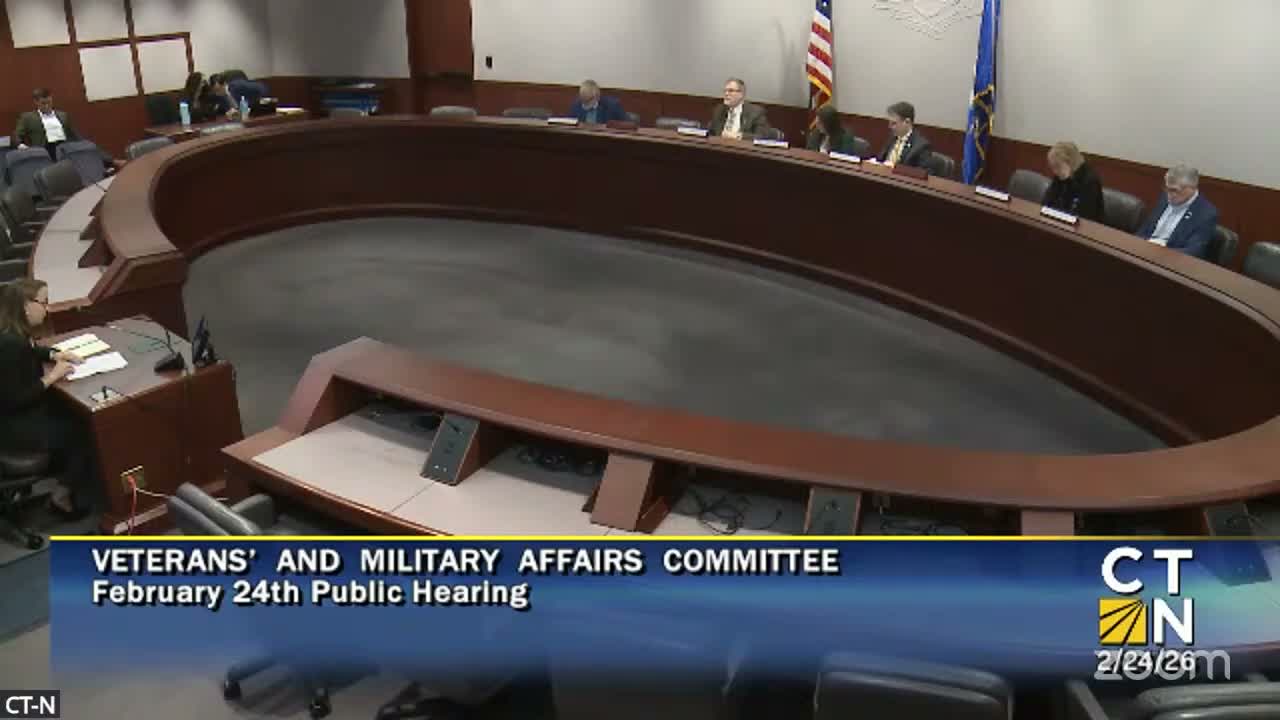
Summary
Melissa Willette of the Defense State Liaison Office told the committee SB 278 would let judges take judicial notice of military protective orders (MPOs) as evidence in civilian protective-order hearings, closing a gap for victims whose MPOs are not enforceable off installation.
Melissa Willette, New England regional liaison for the Defense State Liaison Office, testified in support of SB 278 to permit admission of military protective orders (MPOs) as evidence in civilian protective-order proceedings.
Willette explained MPOs are issued by commanding officers to protect victims of alleged abuse, harassment or threats and are not automatically recognized or enforced off military installations. She said admitting MPOs as evidence in civilian hearings allows judges to see a pattern of harmful behavior without automatically converting an MPO into a civilian protection order; the revised approach addresses earlier constitutional concerns that arose when prior drafts sought automatic recognition without due process.
Willette noted similar approaches have been adopted in Maine and New Hampshire and that the intent is to permit judicial notice of MPOs so a civilian judge can consider them as supporting evidence when deciding whether to grant temporary protection orders. Committee members asked about potential burdens on the judicial branch; Willette said other states did not attach fiscal notes and that MPOs are already entered into federal databases such as NCIC by commanding officers.
Committee discussion focused on whether the bill would require additional judicial resources or new processes for courts; the committee thanked Willette and indicated the testimony would inform future drafting.
No vote was taken at the close of Willette’s testimony.