
Proposal would let Nebraska cities use conduit bonds and taxpayer agreements in TIF deals
Get AI-powered insights, summaries, and transcripts
Subscribe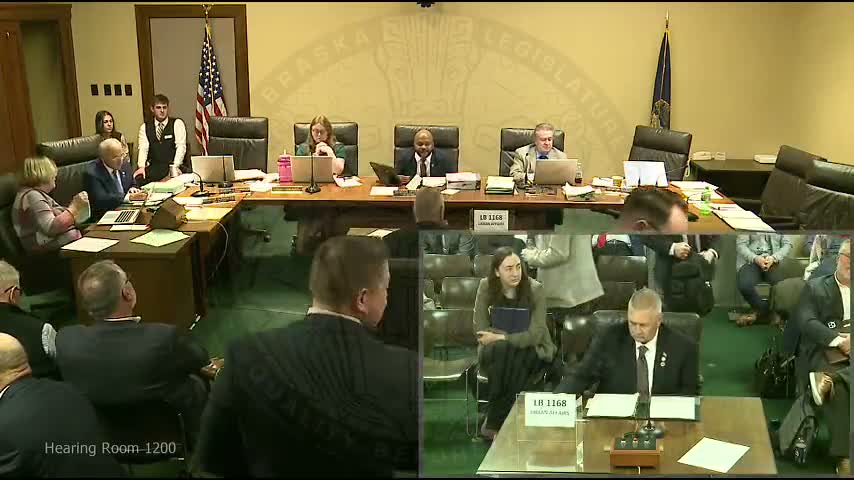
Summary
LB 11‑68 would add an optional tool for cities to issue conduit revenue bonds backed by a negotiated percentage of incremental ad valorem taxes and permit taxpayer agreements that shift shortfall risk to developers. Proponents say it improves vetting and aligns incentives; questions focused on constitutional and intergovernmental impacts.
Senator Dave Worterkemper (District 15) told the committee LB 11‑68 adds a voluntary financing option for tax‑increment financing projects: conduit revenue bonds issued by a city acting as conduit for private investors, a negotiated cap on the percentage of increment pledged (less than 100% if agreed), and an optional taxpayer agreement that would require developers to make up any shortfall and run with the land until the bonds are retired. Worterkemper said the change preserves local control while giving cities another project structure to attract private capital.
Supporters from capital markets framed the bill as a way to transfer more project risk to private participants and improve investor due diligence. Xiaoyuan, president and CEO of Hageman Capital, said conduit arrangements and negotiated pledges make for "better project discipline, while eliminating public balance‑sheet exposure." The League of Nebraska Municipalities and the League's TIF working group described the measure as a voluntary tool many cities could use and noted similar structures have been employed elsewhere.
Committee members asked about constitutionality and whether the proposal could alter the distribution of tax revenue to schools or counties. Proponents said the approach is contractual and voluntary; it would often leave a portion of increment flowing to general levies earlier than under traditional 100% pledges and may reduce the need for levy increases. No formal action was taken; the hearing closed after proponents and limited questions.