Get Full Government Meeting Transcripts, Videos, & Alerts Forever!
Get email alerts on the Veterinary Scope topic
No spam. Unsubscribe anytime.
Texas board opens discussions on allowing certified chiropractors to treat animals without veterinary referral
Summary
After a guest presentation and public comment, the TBCE agreed to pursue multi-party discussions with the veterinary board and professional associations about whether certified chiropractors could provide animal chiropractic care without a veterinary referral; staff were directed to set up meetings to explore pathways including rule changes or joint directives.
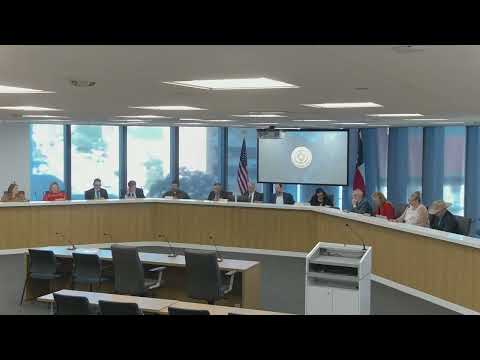
The Texas Board of Chiropractic Examiners on Feb. 6 heard a guest presentation on "animal chiropractic" and directed staff to begin multi-party discussions with the Texas veterinary board and professional associations to explore options that would allow AVCA- or IVCA-certified chiropractors to provide certain animal care without a veterinarian's referral.
Dr. Maranakis, an AVCA-certified chiropractor who described more than two decades in practice, told the board that Veterinary Act §573.14 defines chiropractic on animals as veterinary medicine and requires general supervision (or referral) by a veterinarian. He said the requirement often delays care and shifts liability to veterinarians, and he urged the board to consider rule language or carve-outs similar to other states. "The harms are primarily to the owner and the animal," he said, arguing that certified practitioners receive specific training in anatomy, zoonosis and animal-adjusting techniques.
Board members and staff discussed two principal pathways: (1) a legislative change to the chiropractic practice act to permit direct-access regulation of animal chiropractic by the TBCE, and (2) a veterinary-board rule that would exempt appropriately certified chiropractors from referral requirements. Agency counsel and staff said the most amicable and practical route would likely be coordinated work between the TBCE, the Texas Veterinary Medical Board and professional associations to draft mutually acceptable rule language or joint statutory language.
Several public commenters and representatives from Parker University and the Texas Chiropractic Association voiced support for permitting direct access for certified chiropractors and noted precedents in other states (including Colorado) where the chiropractic board has regulated animal chiropractic either by rule carve-out or statutory change. Enforcement staff and board members also raised concerns about untrained individuals providing animal adjustments at events and discussed whether stronger enforcement tools—such as criminal penalties for misrepresenting chiropractic services—would help curb unregulated practice.
The board did not adopt any rule at the meeting but instructed staff to schedule multi-stakeholder meetings to explore options and to return to the board for formal consideration; members suggested a special-purpose meeting could be held mid-to-late April or once relevant bylaws/timelines are available for other agenda items.