Subcommittee pauses debate on farm‑structures bill after months of local conflicts over barn venues
Loading...
Summary
A Agriculture Subcommittee hearing on H.3236 — aimed at clarifying how farm structures may be used for agritourism and events — drew farmers, municipal officials and safety experts who disagreed over exemptions; debate was adjourned for further drafting and study.
Representative Pope introduced House Bill 3236 on farm structures, saying the measure was filed out of constituent frustration where converted barns and newly built event venues have clashed with county regulations. "This bill is a problem looking for a solution," Pope told the Agriculture Subcommittee, framing the measure as an attempt to reconcile agritourism with public‑safety standards.
Supporters of exemptions described small farms that host a handful of weddings a year as vital secondary income sources. Oxendine, a York County property owner who testified, said his 40‑by‑80 barn hosted about five or six weddings a year and that closure by county authorities in 2023 had harmed a network of 16 local small businesses. "We cut that back to about 6 a year," he said, describing the venue as a supplemental revenue stream for farmers and local vendors.
Municipal and safety officials urged caution. Dana Phillips, representing the Municipal Association of South Carolina, said the bill is "overly broad and goes beyond the scope of farming" and urged the committee to work on narrower language that preserves safety and local code authority. Jamie Helms of the South Carolina State Firefighters Association said his organization was "opposed to the bill as written," warning that exemptions could erode life‑safety protections. Building officials, represented by Ruthie Helms, noted current code thresholds and accessibility obligations, observing that buildings with up to 299 occupants can sometimes be permitted without sprinkler systems and stressing the need to account for ADA and inspection regimes.
Committee members expressed a mix of priorities: preserving farmland and agritourism revenue, ensuring a level playing field for commercial venues, and protecting public safety and first‑responder capacity. Multiple members suggested compromise approaches tied to occupancy, frequency of events, or structural features rather than a blanket exemption.
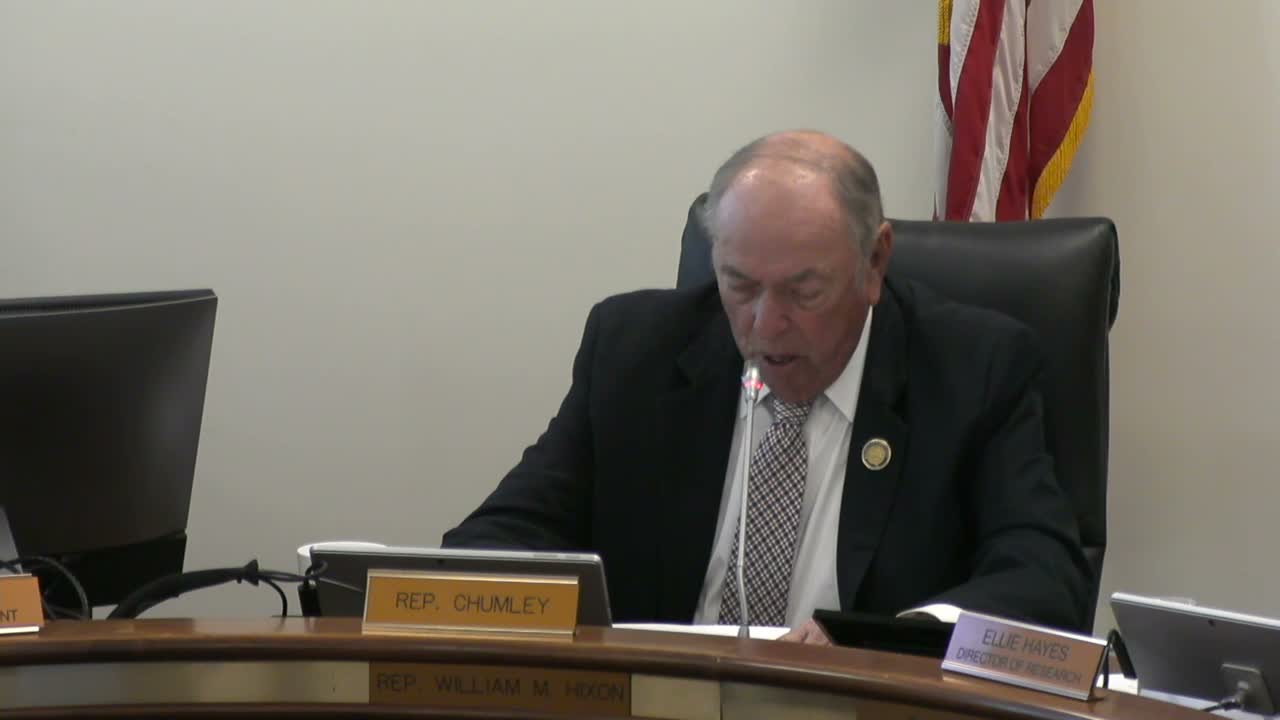
After public testimony from venue owners, county association representatives and safety officials, the committee voted to adjourn debate on H.3236 for further drafting and study. The chair recorded a 5–0 voice result with two members not present and said the committee will seek language that better balances agritourism and safety.
The subcommittee will revisit H.3236 at a later date and invited stakeholders to work with staff on revised provisions.