
Experts warn amendment to 'divisive concepts' law would chill classroom discussion
Get AI-powered insights, summaries, and transcripts
Subscribe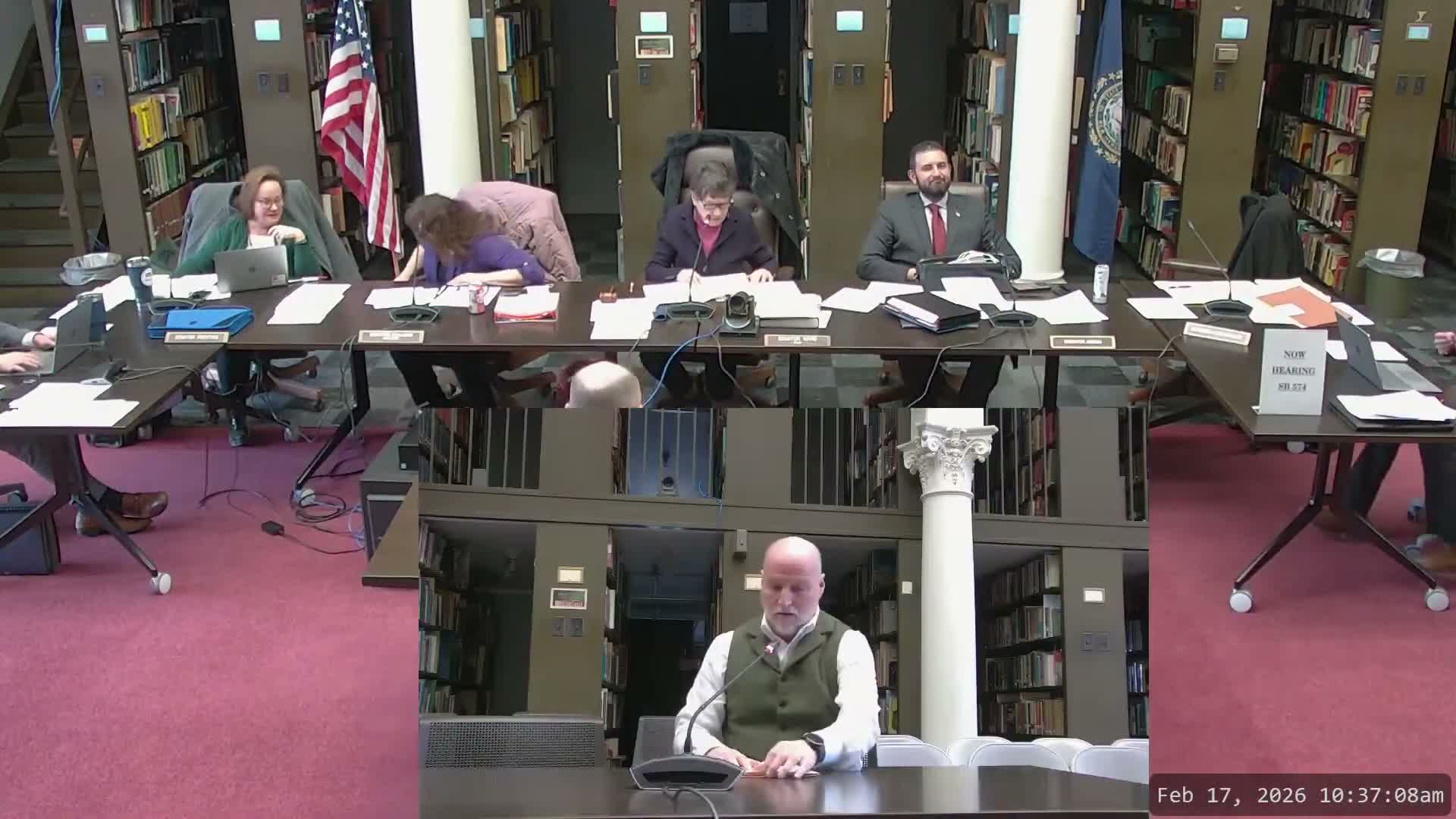
Summary
Senate Education revisited SB431, a refiled attempt to add 'intentionally or knowingly' language to the divisive‑concepts statute; public witnesses warned the scienter change would not cure vagueness and could deter teachers from discussing history or current events.
Sen. Tim Lang reintroduced SB431, a refiled bill that would add a scienter requirement ("intentionally or knowingly") to the state's divisive‑concepts statute, arguing the change would make the law enforceable.
Opponents told the committee the amendment does not address the statute's broader constitutional and vagueness problems. David Trumbull, who identified himself as a debate coach, argued at length that adding a scienter element would not resolve the court's prior findings on vagueness, would encourage self‑censorship among teachers and could prevent educators from meaningfully discussing historical causes behind present‑day issues. "Adding the scienter requirement only remedies one of these problems," Trumbull said, and warned that teachers and students could lose opportunities for critical thinking if instructors avoid topics that might later prompt complaints.
Committee members pressed for clarity, raising hypotheticals about wage inequality, history lessons and practical classroom consequences. Trumbull and others urged less severe complaint paths than immediate superior‑court litigation, arguing that normal school‑level review would be a more proportionate remedy.
The public hearing closed with pointed concerns about chilling effects on instruction; the transcript records committee discussion but no final amendment or vote on SB431 during the public session.