
Committee adopts multiple technical amendments and places several bills in finance or interim study
Get AI-powered insights, summaries, and transcripts
Sign Up Free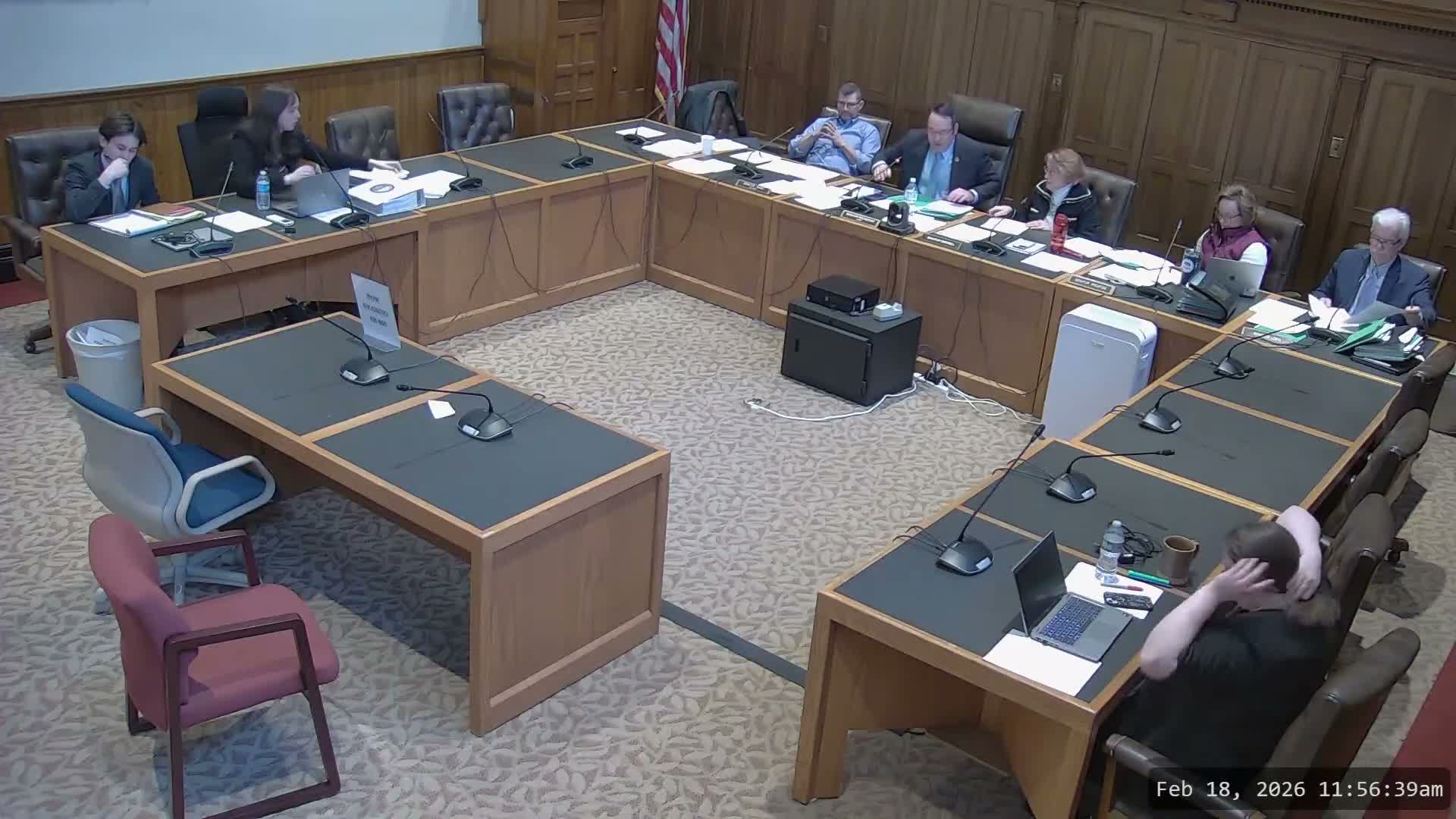
Summary
In executive session the Health & Human Services Committee approved a series of amendments, moved multiple bills to finance or interim study, and set deadlines for stakeholder amendments on PBM reform, child-care risk pools and developmental-services language.
At the conclusion of public testimony the committee moved into executive session and acted on a number of amendments and procedural motions. The chair called votes on several amendments (including amendment 446 and others referenced in the record) and asked sponsors and staff to return with refined language on several items.
Actions recorded in executive session included: adoption of negotiated amendments provided to the committee (chair referenced amendments supplied by stakeholders and departments), moving bills to the Finance Committee where required, and designating some measures for interim study so sponsors and agencies can refine technical language. The committee repeatedly used consent motions to carry items forward after brief discussion.
Why it matters: The committee used its executive session to clear technical amendments and set a path for follow-up drafting on items where stakeholder coordination is needed (notably PBM reform, child-care pooled-risk legislation and the developmental-services fatality-review changes). Several amendments passed by voice or consent; the transcript records multiple "aye" calls and unanimous-consent style outcomes for these procedural steps.
What comes next: Sponsors and agencies were asked to submit revised amendment language (the chair set a one-week window in several cases) so bills can return to committee with narrower, implementable text.