
Sponsor introduces bill to protect entry‑level performers from exploitative promoters; committee schedules follow‑up
Get AI-powered insights, summaries, and transcripts
Subscribe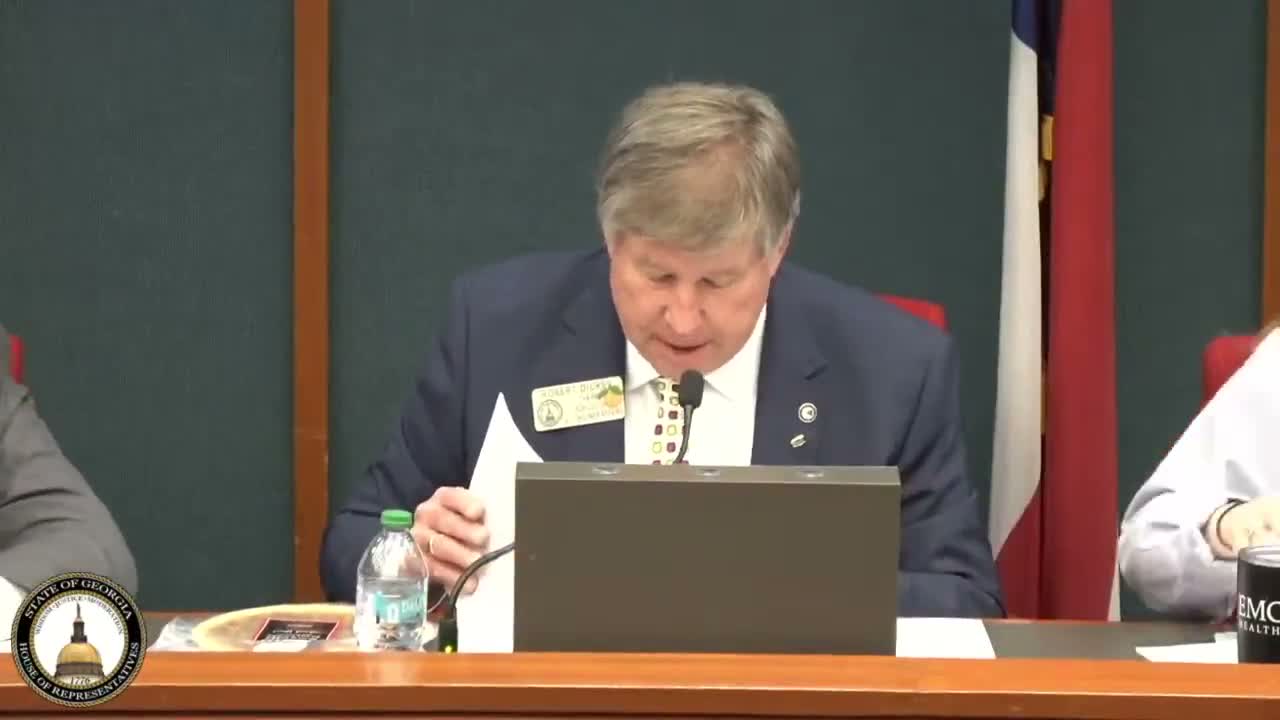
Summary
In a first hearing, Representative Gilliard presented HB 1400 to require fair practices for promoters and protections for entry‑level artists; members questioned whether promoter licensing is municipal or state matter and asked for clearer licensure criteria; the sponsor said he is open to amendments.
Representative Gilliard introduced House Bill 1400 (LC620388) as a measure to protect entry‑level musicians from promoters who charge performers fees without delivering promised audiences or transparent contracting.
"This is a bill simply to protect the artist with integrity," the sponsor told the committee, describing scenarios in which nascent artists were charged to perform at small venues yet promoters profited from ticket sales and other revenues instead of providing a promised audience.
Committee members pressed the sponsor on whether the bill requires promoters to be licensed at a state level or whether licensure is governed by municipalities. Representative Osteen noted instances in her district where promoters collected payment then canceled events and did not refund patrons, asking what recourse exists when municipalities do not require licensing. The sponsor and members said municipal rules vary; the sponsor acknowledged that where municipalities require promoter licensing (for example, the city of Savannah), that process applies, but added the bill aims to set clearer fair‑practice expectations.
Representative Kemp recommended adding objective criteria to define a licensed promoter (for example, business registration, physical address, residency, revenue projection) because municipal standards differ. The sponsor said he is "1,000 percent receptive" to an amendment requiring promoter licensure in Georgia and to adding protocol language that would better protect artists.
The committee treated HB 1400 as a first hearing. The chair said there are items to work on and scheduled another committee meeting early next week for further consideration; no committee vote on the bill was taken during this session.
If amended, the sponsor indicated the bill could require licensing or clearer contractual protections to prevent promoters from charging performers without delivering agreed services or audiences.
The sponsor and members identified the subject as a mix of consumer protection and contract‑practice reform tailored to entertainment venues and events.