
County adopts 'Safe Streets and Roads for All' safety action plan to unlock federal implementation funding
Get AI-powered insights, summaries, and transcripts
Subscribe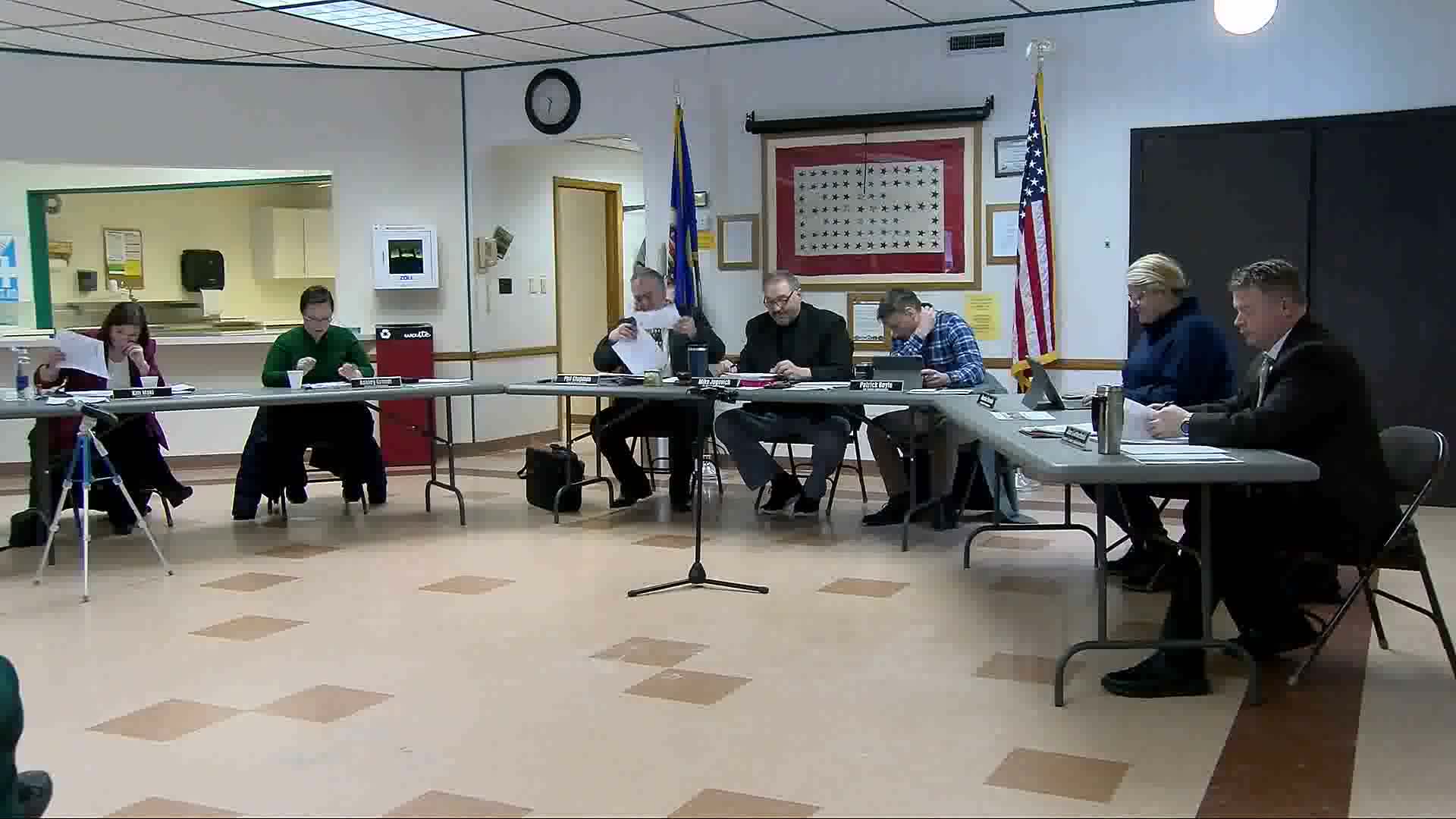
Summary
St. Louis County officially adopted its third-edition safety action plan to identify high-risk intersections and corridors and to prioritize projects that could qualify for federal SS4A and other safety implementation grants.
The St. Louis County Board voted to adopt the county's third-edition Safe Streets and Roads for All (SS4A) safety action plan, a prioritization document staff said will open eligibility for federal implementation funding.
Presenters said the plan evaluates county road curves, intersections and segments and ranks locations by risk factors. The document identifies specific countermeasures — intersection improvements such as j-turns, roundabouts and left-turn lanes; segment measures including centerline rumble strips and six-inch wet-reflective edge lines; and curve countermeasures such as chevrons and high-friction surface treatment.
Staff reported the county has received more than $30 million in dedicated traffic safety project funding since 2010 on county roads and said the new action plan positions the county to seek additional implementation grants, subject to federal program availability. The plan sets long-term goals, including aiming for one year of zero traffic fatalities by about 2037 and maintaining a three-year average of three or fewer fatalities on county roads, and a longer-term target of two consecutive years of zero traffic fatalities by 2047 (goals apply to county roads outside the Duluth metropolitan planning area, which is developing its own plan).
Presenters described public engagement (online comment maps, surveys, focus groups with law enforcement and schools), coordination with tribal governments and MnDOT, and a vulnerability analysis showing roughly 52% of vulnerable roadway user crashes occur on about 5% of the network (primarily within urbanized areas). Staff said final edits were in progress and funding calls for implementation typically release in late spring; the adoption was intended to make the county eligible for that next round of SS4A implementation grants.
Commissioners asked about project specificity and local examples (for instance, Rice Lake Road near Lowell Elementary), and staff clarified the plan is higher-level (prioritization) and will feed roadway-specific engineering prescriptions at the project level. The board approved adoption by voice vote.
Board materials and the presenters' data will provide location lists and recommended countermeasures; staff said final plan files and agency review comments will be completed and available to the board within days.