Get Full Government Meeting Transcripts, Videos, & Alerts Forever!
Get email alerts on the Home Repair Programs topic
No spam. Unsubscribe anytime.
Union County program, funded by CDBG and run with Habitat for Humanity, replaced a resident's contaminated well
Summary
Union County's federally funded home-repair program replaced a Mineral Springs resident's contaminated well in 2025, restoring safe water and offering HVAC, roof and water/sewer line repairs to eligible homeowners; interested residents can apply via Habitat for Humanity (unionhabitat.org).
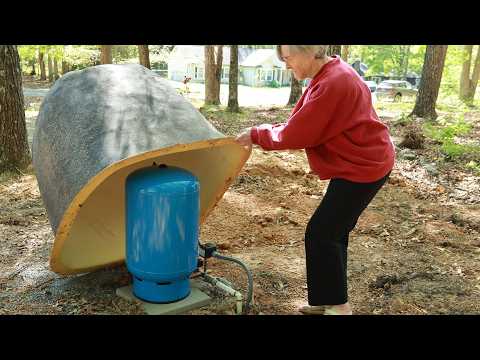
Linda Richardson, a longtime Mineral Springs resident, says a Union County home-repair program replaced her contaminated well in 2025 and restored safe, usable water at her home. The program, the transcript states, provides free well repairs or replacements to eligible well owners whose groundwater contains naturally occurring contaminants.
The county’s test project, described in the transcript, is run in partnership with Habitat for Humanity and is sponsored by Union County using federal Community Development Block Grant (CDBG) funds. The program covers critical home systems for which homeowners are responsible — including HVAC, roofing and water and sewer lines — and does not pay for cosmetic work such as painting or landscaping.
"Knowing that I could wash my car now, even though I'm 75 years old, it's a situation that I am free to do it if I want to," the transcript quotes Linda Richardson as saying. She added that the repair makes everyday tasks easier and that she hopes to grow grass now that water pressure and quality have improved. The transcript records the well replacement occurring in 2025.
Program administrators and county staff were not named in the provided transcript; it identifies Habitat for Humanity as the implementing partner (the transcript refers to the partner as "Union Anson County Habitat for Humanity," which appears to be a local Habitat for Humanity affiliate). The Community Development Block Grant (CDBG) is cited in the transcript as the federal funding source for the county-sponsored program.
Residents who believe they may qualify are directed in the transcript to apply directly through Habitat for Humanity and to check unionhabitat.org for updates and eligibility information. The program aims to improve home safety and quality of life by addressing structural and system repairs, rather than cosmetic needs.
No motions, votes or formal government actions are recorded in the transcript; the record is a resident testimony and informational description of the repair program. The program's next procedural steps, as noted in the transcript, are outreach and application intake through Habitat for Humanity.