Get Full Government Meeting Transcripts, Videos, & Alerts Forever!
Get email alerts on the Traffic Enforcement Cameras topic
No spam. Unsubscribe anytime.
Allegany County to repeal ban on traffic cameras, staff to craft enabling ordinance
Summary
County staff told commissioners they will introduce Bill 1-26 to repeal a local prohibition on using automated traffic cameras as proof of violations, then follow with enabling legislation that will set operational rules and address concerns about sheriff discretion.
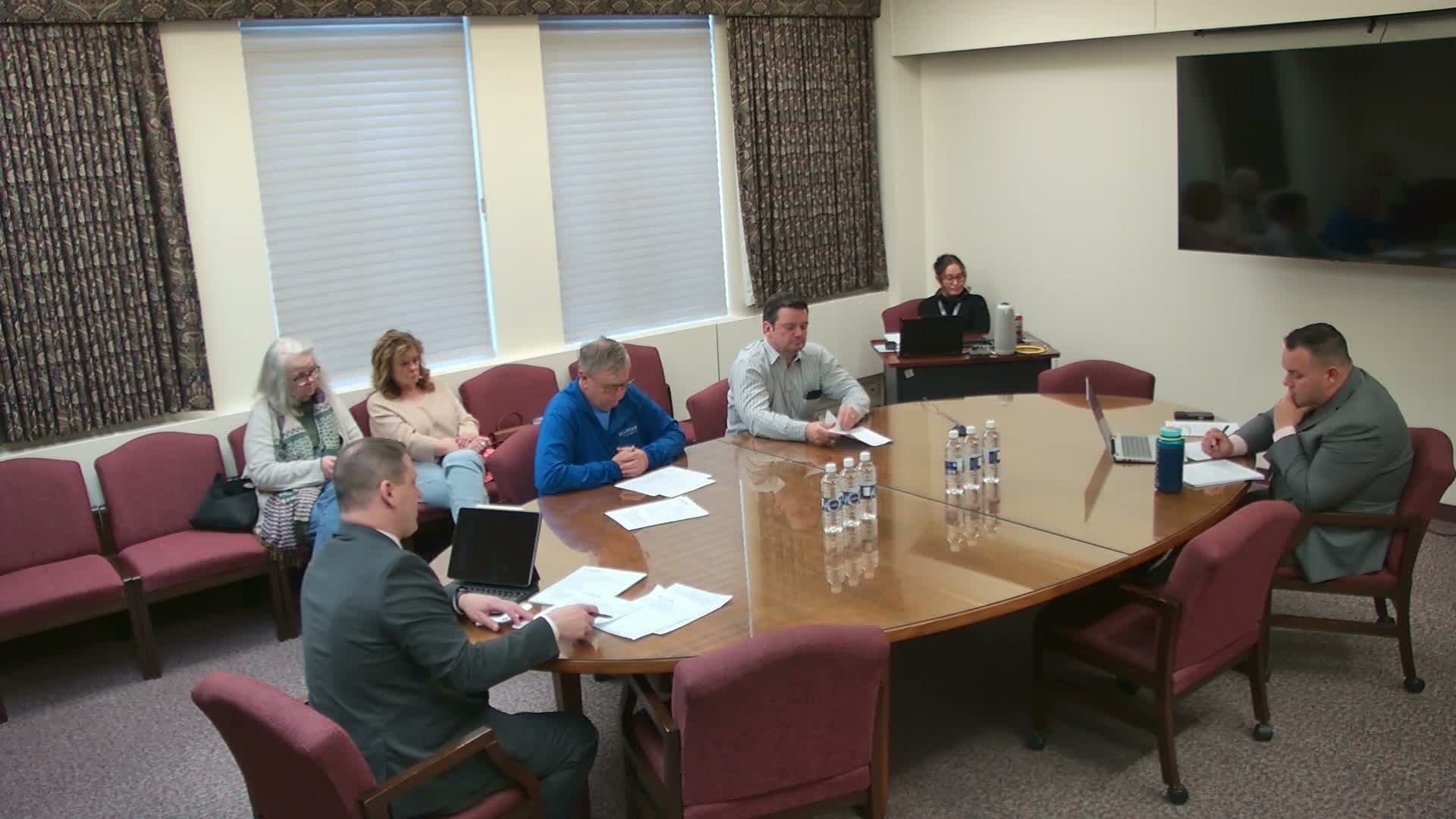
Allegany County staff said at a work session that they will introduce Bill 1-26 to repeal a local prohibition on using automated traffic cameras as proof of traffic violations and then present enabling legislation that specifies how the cameras would be authorized and operated.
The move is procedural: Speaker 6 said the repeal would be "step 1," after which state law requires the county to adopt enabling legislation to authorize cameras for enforcement. "Repealing that legislation will be step 1," Speaker 6 said, adding that the subsequent ordinance will address the process and any limits on use.
Why it matters: the repeal would remove an existing local prohibition; the enabling ordinance would set rules governing where and how cameras could be used, who may access data, and whether the sheriff or another office has discretion over enforcement. Speaker 6 noted prior concerns raised by commissioners, saying, "I know Commissioner Brody had expressed last time, concern that the sheriff would have sort of discretion." That concern, Speaker 6 said, would be handled in the enabling legislation.
No formal vote occurred on the bill during the work session; staff described the legislative steps and told commissioners the measure would be on the public agenda. The county has not yet produced draft ordinance language or a timeline for final adoption. Staff said the enabling legislation will follow the repeal and will include details on the operational process and any limits on discretionary authority.
Next steps: Bill 1-26 was listed for introduction on the evening agenda; staff will draft the enabling ordinance and return to the commission with specific language and proposed procedures for public review and consideration.