
Senate bill would ban unsolicited 'live checks' that can create binding loans
Get AI-powered insights, summaries, and transcripts
Subscribe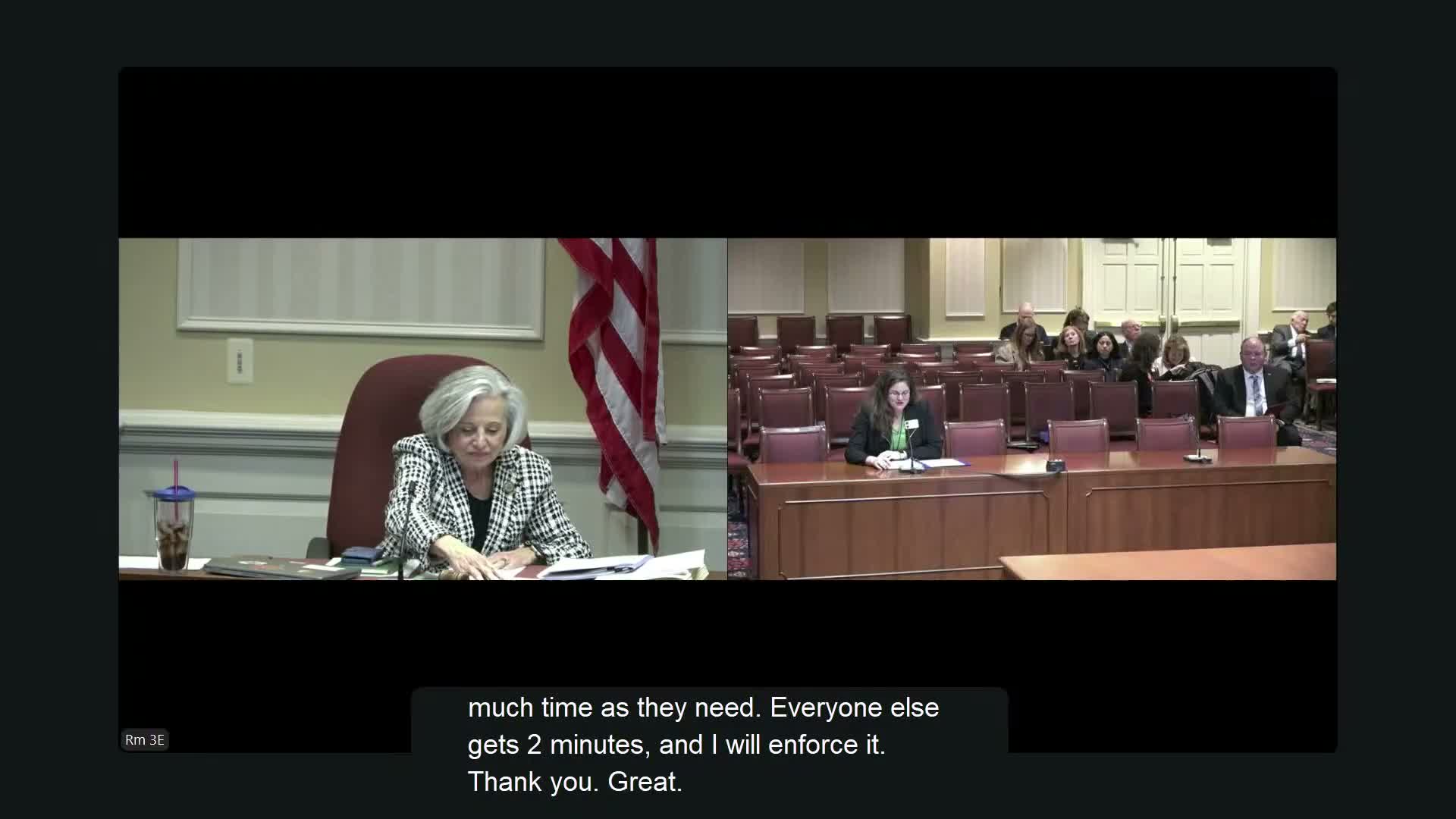
Summary
SB 582 would prohibit sending unsolicited negotiable instruments ("live checks") that, when deposited, automatically create loan or purchase obligations; sponsor said the mailings target homeowners and seniors and urged legislative fixes with bankers and the attorney general.
Sen. JB Jennings's office brought SB 582 to the Senate Finance Committee on Feb. 19, proposing a ban on mailed "live checks" and other negotiable instruments that, proponents say, can create binding financial or contractual obligations when a recipient deposits them.
Rachel Allman, legislative director for Senator JB Jennings, told the committee the practice "primarily targets homeowners, particularly elderly and low-income individuals for predatory home buying schemes or high risk credit products." She said the bill "prohibits sending unsolicited live checks through the mail that can trigger legal or financial obligations" and would preserve legitimate marketing while adding fines and misdemeanor penalties to deter predatory use.
Allman described a constituent's experience in which a mailed instrument offered to buy a home at well below market value and noted concerns about identity theft and property loss if a check were stolen or misused. Committee members pressed for sharper statutory language. Senator Kramer questioned whether the bill's current draft—framed as an offer to extend credit—adequately covers offers to purchase a property, and Evan Richards of the Maryland Bankers Association said banks use "convenience checks" differently and that regulated institutions typically accompany them with clear loan agreements.
Allman said she would work with the bankers association and the Office of Financial Regulation to tighten the bill's definitions to cover purchase-offer scenarios and other predatory instruments. No vote was recorded during the hearing; the sponsor asked the committee for a favorable report and indicated openness to amendments.
The committee heard consumer-advocate testimony from Jennifer Bevin Dangle, deputy director at Economic Action Maryland Fund, who described examples of seniors panicking after receiving such checks. Evan Richards said banks and credit unions sometimes use convenience checks but that regulated lenders provide accompanying disclosures.
The committee concluded the hearing without a formal vote. Next steps depend on draft amendments clarifying the bill's scope and enforcement mechanisms.