
Witnesses Back Instant Residential Solar Permitting; Industry Urges Broader Reforms
Get AI-powered insights, summaries, and transcripts
Subscribe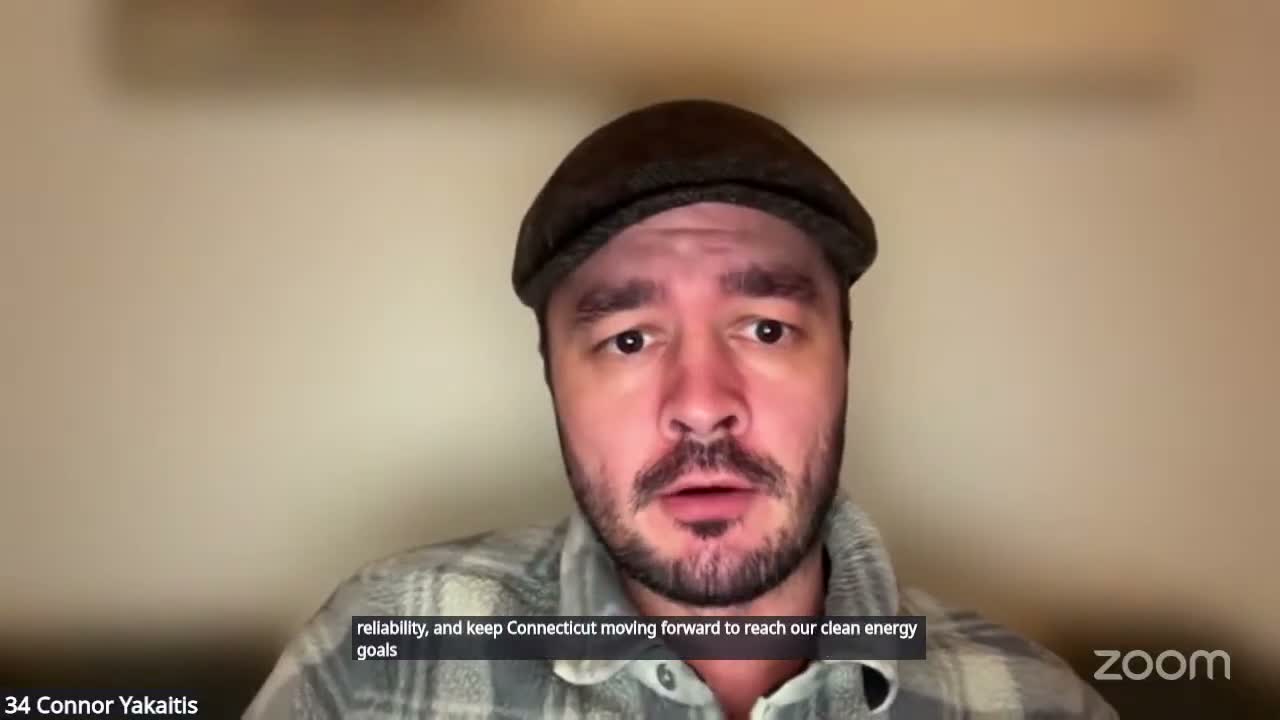
Summary
Supporters told the committee HB 5036 would lower soft costs and speed rooftop solar deployment by creating a statewide online permitting platform; some industry witnesses asked the committee to broaden the bill’s scope to include storage, interconnection and local oversight safeguards.
Clean‑energy advocates and industry representatives told the Energy and Technology Committee that HB 5036, which would create a statewide online permitting platform for small residential solar installations, could help reduce soft costs and accelerate rooftop solar adoption.
"This bill creates a statewide online permitting platform for small residential systems," Connor Ekaitis of the Connecticut League of Conservation Voters said, adding that automatic permit review for qualifying projects could reduce time and cost while preserving safety codes.
Kate McAuliffe of Acadia Center supported HB 5036 but urged expansion to cover energy storage, electric panel upgrades and remote inspections. "Automated solar permitting platforms have been on the market for years and are proven to shorten project timelines and reduce project costs," she said, citing studies that show faster permitting reduces failure rates.
Industry speakers largely supported the goal but offered caveats. Mike Trahan of the Connecticut Solar and Storage Association said he filed an opposition to the bill as drafted because instant permitting is only one element of comprehensive reform; he encouraged the committee to "piggyback" additional streamlining steps. Jeff Gross suggested retaining some local oversight after automated submission for aesthetics and battery safety and criticized long development timelines for state IT projects.
United Illuminating noted its 2024 residential bill redesign investment and urged caution about launching a new redesign before customers acclimate; UI also raised operational concerns about certain data or settlement provisions in other bills.
What happens next: Testimony showed broad support for streamlining permitting but recommended statutory flexibility to add storage and interconnection and to preserve limited town level oversight. Several witnesses urged the committee to include additional reforms to make the instant permitting effort more comprehensive.
Sources and attributions: Quotes are from witnesses who identified themselves on the record including Connor Ekaitis (Connecticut League of Conservation Voters), Kate McAuliffe (Acadia Center), Mike Trahan (Connecticut Solar and Storage Association), and Jeff Gross (citizen/testifier).