Lifetime Citizen Portal Access — AI Briefings, Alerts & Unlimited Follows
Panel reviews SB395 to make driver insurance primary in peer-to-peer car-sharing crashes
Loading...
Summary
SB395 aims to align peer-to-peer car-sharing liability with traditional rental rules by making a driver's personal auto policy primary when at fault, while preserving platform coverage for uninsured drivers; sponsors and industry witnesses said master policies and host protection tiers will reduce claim delays.
ANNAPOLIS, Md.
Sen. Donghoe presented SB395, a narrowly focused change to Maryland law on peer-to-peer car-sharing platforms that would make a driver's personal auto insurance the primary coverage when they are at fault, while ensuring platform coverage remains available when drivers are uninsured or improperly insured.
The sponsor said the bill previously passed the committee unanimously and that a drafting amendment negotiated with trial-lawyer representatives clarifies access to insurance information and preserves platform primary coverage where drivers fail to cooperate or provide notice.
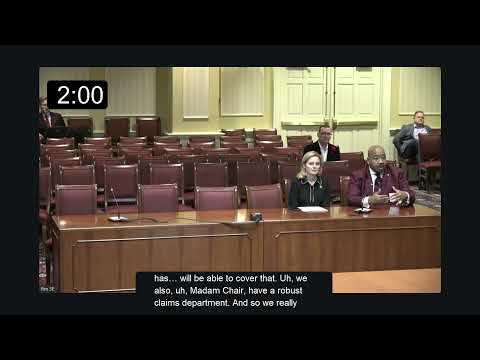
John Heath of Turo testified about the platform's master policy and host protection tiers and said the company maintains claims operations and coverage options intended to step into coverage gaps quickly; committee members asked about denial timelines and whether platforms would pay immediately and pursue subrogation.
The committee did not vote during the hearing and accepted assurances from industry witnesses that claims processes and host-selected protection tiers could mitigate potential delays in payment while preserving parity with traditional rental-car rules.